The Craze for Platform Shoes in the 1970s
The 1970s fashion scene is incomplete without mentioning the iconic platform shoes that defined the era. These towering shoes, featuring chunky heels and vibrant materials, were more than just a trend; they embodied rebellion and self-expression. When picturing David Bowie or Elton John, it's hard not to see them in their flamboyant platforms. But what made these shoes so compelling, and how did they challenge societal norms? The story of platform shoes reveals deeper cultural shifts and the lasting influence of this bold fashion choice.
Historical Origins
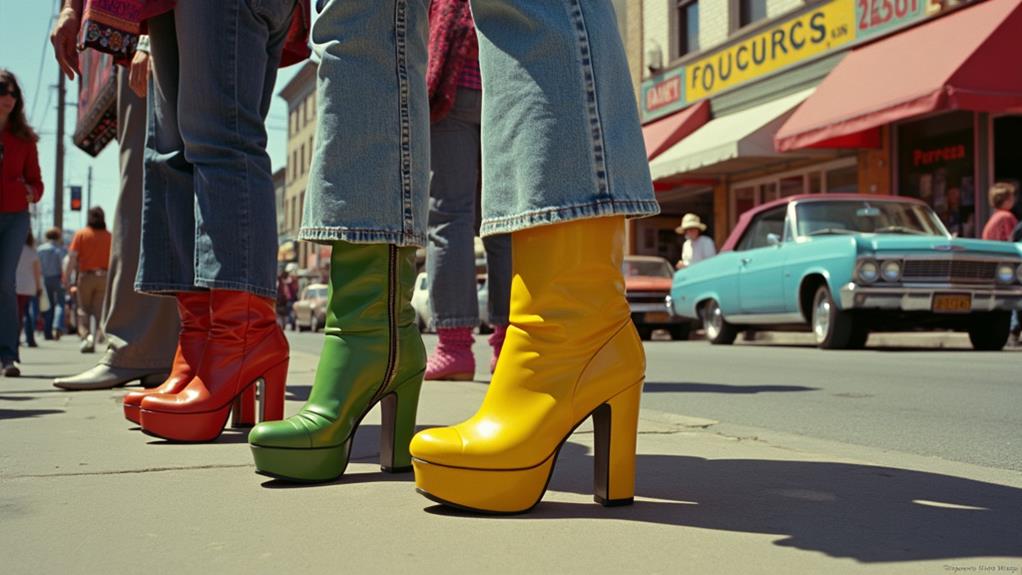
Platform shoes have a history spanning approximately 2,000 years, initially serving practical purposes across various cultures. In ancient Greece, actors wore platforms to gain height and visibility on stage. During medieval times, royals used them to keep their feet clean in muddy conditions. Notable early examples include pattens—wooden overshoes from the Middle Ages—and chopines, 16th-century Venetian platforms symbolizing social status and nobility.
In the 1930s, platform shoes experienced a modern revival. Salvatore Ferragamo was a key figure in this resurgence, designing the Rainbow sandal for Judy Garland in 1938. This iconic shoe featured layers of cork and multicolored suede, blending practicality with style. The evolution of platform shoes reflects shifts in societal norms and fashion trends over time.
Iconic Styles
Iconic platform shoes of the 1970s encapsulated the era's penchant for bold fashion statements. From chunky high-heeled sandals to vibrant wedge designs, these shoes were crafted from striking materials like suede, leather, and vinyl, often adorned with glitter and bright colors. Whether on disco floors or everyday streets, these platforms embodied the period's spirit of self-expression and rebellion.
Disco Era Designs
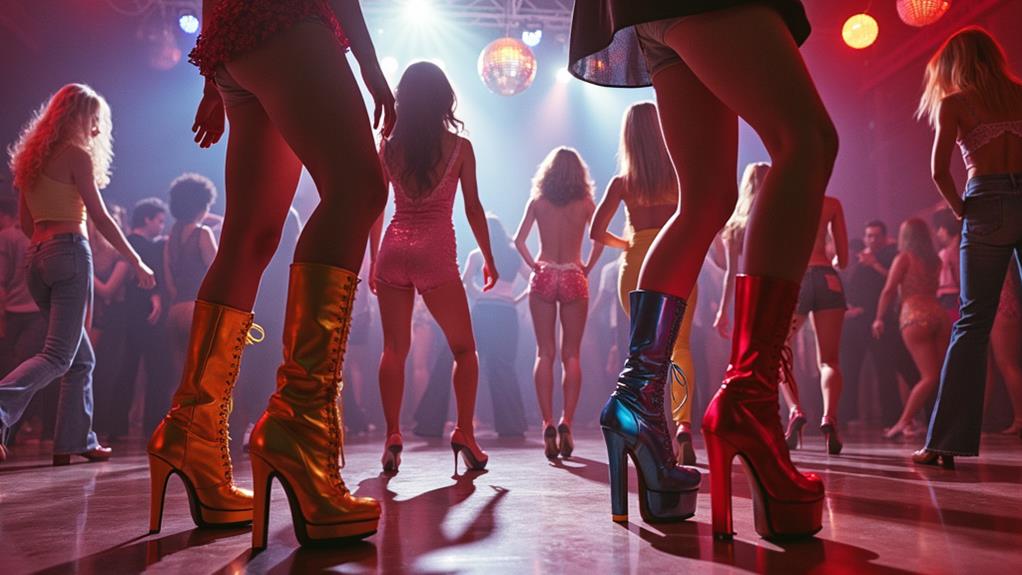
The 1970s disco era saw platform shoes become iconic symbols of the vibrant nightlife scene, characterized by bold colors, glitter, and chunky high heels. These shoes transcended mere functionality to become statements of style and confidence. Popular designs included ankle and mid-calf platform boots, often paired with flare jeans, maxi dresses, and mini skirts. This combination not only made a fashion statement but also enhanced the dance aesthetic, perfect for twirling under the disco ball.
The chunky platform soles provided more than just added height—they offered comfort, making them ideal for energetic dance floors. Designers like Salvatore Ferragamo were instrumental in popularizing this trend with their innovative styles. Their creations captivated both celebrities and the public, making platform shoes essential for any disco enthusiast's wardrobe.
Notably, the disco scene embraced platform shoes for both men and women, challenging traditional gender fashion norms. This trend symbolized a broader movement toward self-expression and liberation. Whether you were strutting into Studio 54 or dancing at a local club, platform shoes were your ticket to standing out and fitting in with the lively disco culture.
Bold Fashion Statements
Bold fashion statements in the 1970s weren't just about the clothes; they extended to the footwear that epitomized the era's flamboyant style. Platform boots became a defining element of this period, featuring chunky high heels with thick platform soles. These boots were not just for the stage; they were worn by everyday partygoers who wanted to make a splash in the lively disco scene.
You'd often see these bold platform boots paired with flare jeans, maxi dresses, or mini skirts, creating striking and unforgettable outfits. They weren't just shoes; they were a form of self-expression, often embellished with bright colors, glitter, and unique patterns that reflected the over-the-top aesthetic of the time.
Icons like David Bowie and Elton John took this trend to new heights, wearing platform boots that became symbols of rebellion and individualism. These shoes transcended traditional gender norms, embraced by both men and women, making them a cross-gender fashion revolution.
Diverse Material Choices
In the 1970s, platform shoes emerged as fashion icons, thanks to diverse material choices that combined durability with eye-catching style. These shoes were crafted from suede, leather, and vinyl, each offering unique aesthetics and textures. These materials not only ensured longevity but also enabled a variety of dazzling designs. Imagine strutting in ankle or mid-calf platform boots, adorned with chunky high heels and thick soles. These shoes provided both added height and stability, ideal for a night of dancing.
Designers like Salvatore Ferragamo were instrumental in elevating platform shoes to iconic status. Ferragamo's innovative use of materials like cork and multicolored suede added sophistication and flair to footwear. Whether you preferred wedges or block heels, platforms were available in various styles to suit your fashion preferences. Glitter and vibrant colors were prevalent, making these shoes a hallmark of the disco era. So, when reflecting on 1970s fashion, remember that the diverse material choices of platform shoes were central to their lasting appeal.
Cultural Impact
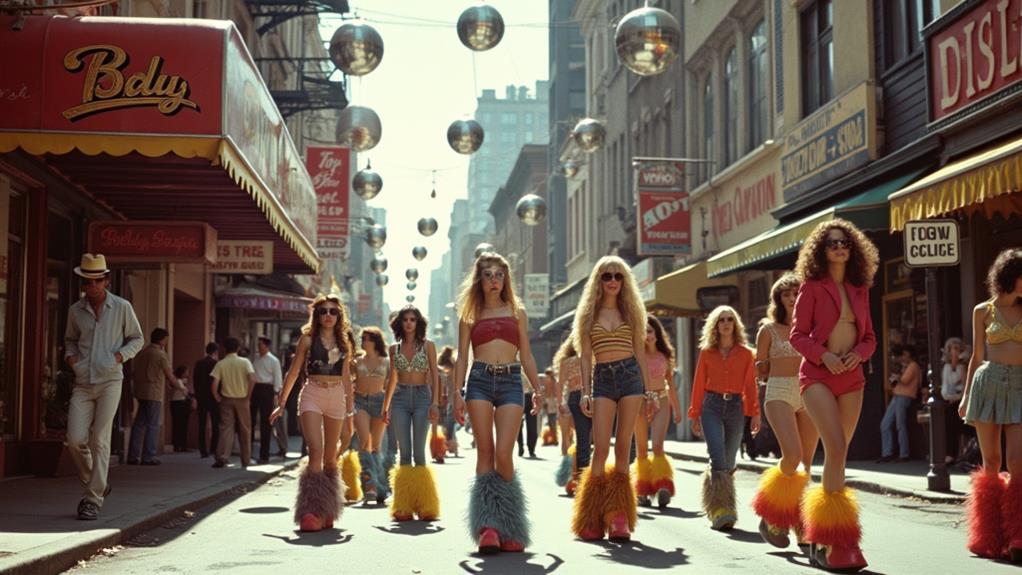
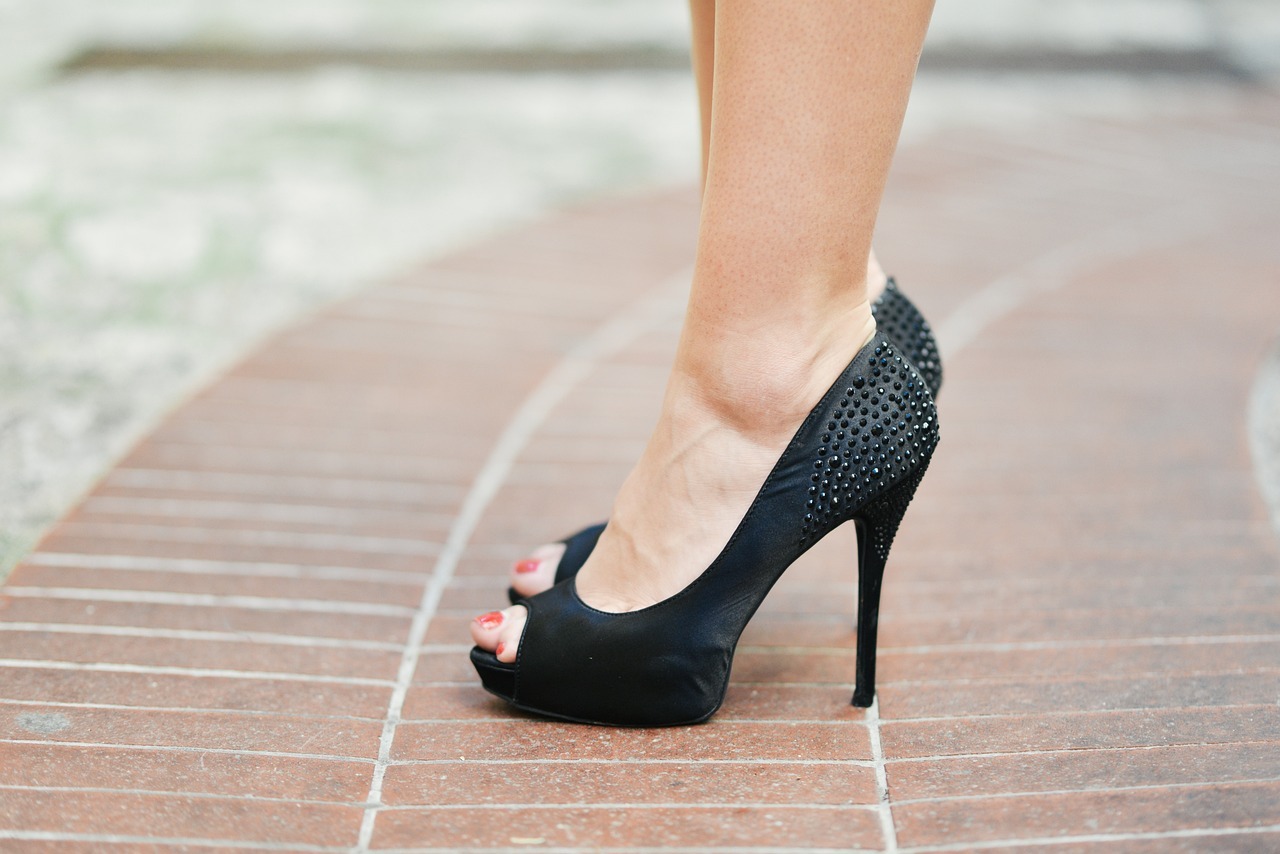
Platform shoes in the 1970s did more than raise height—they enriched the cultural landscape. These platforms and high heels became symbols of self-expression and individuality, perfectly aligning with the social and cultural revolution of the time. They were integral to the disco culture, making dance experiences more dynamic and breaking gender fashion norms as both men and women embraced them.
You'd find these lively, towering shoes lighting up nightlife and club scenes, contributing to the decade's flamboyant fashion identity. Nightclubs turned into vibrant stages where platform shoes took center stage, making every dance move more expressive and dramatic.
Iconic figures like David Bowie and Elton John didn't just wear platform shoes—they popularized them. Their bold fashion choices helped embed these shoes into the cultural fabric of 1970s music and performance, transforming them from a trend into a statement of rebellion and nonconformity.
The widespread adoption of platforms reflected broader themes of pushing boundaries and rejecting traditional norms, influencing contemporary fashion trends. Your personal style, even today, might owe a nod to the daring spirit of platform shoes from the 1970s.
Vintage Appeal
The cultural legacy of 1970s platform shoes naturally extends into their vintage appeal today. These iconic designs are highly sought after by collectors who cherish their bold aesthetics and cultural significance. Retro fashion enthusiasts often incorporate vintage platforms into their modern wardrobes, celebrating the unique flair these shoes bring to outfits.
| Feature | Description |
|---|---|
| Iconic Design | Bold 1970s aesthetics |
| Collectible | Highly prized by collectors |
| Cultural Significance | Holds historical value |
| Nostalgia | Reflects past fashion trends |
| Timeless | Statement pieces across generations |
The lasting appeal of 70s platform shoes continues to inspire contemporary shoe designs, evoking nostalgia for past fashion trends. These timeless pieces not only make a bold statement but also bridge the gap between generations, demonstrating how fashion can transcend time. The resurgence of interest in vintage fashion has significantly increased the demand for platform shoes, underscoring their enduring impact on style.
Modern Adaptations
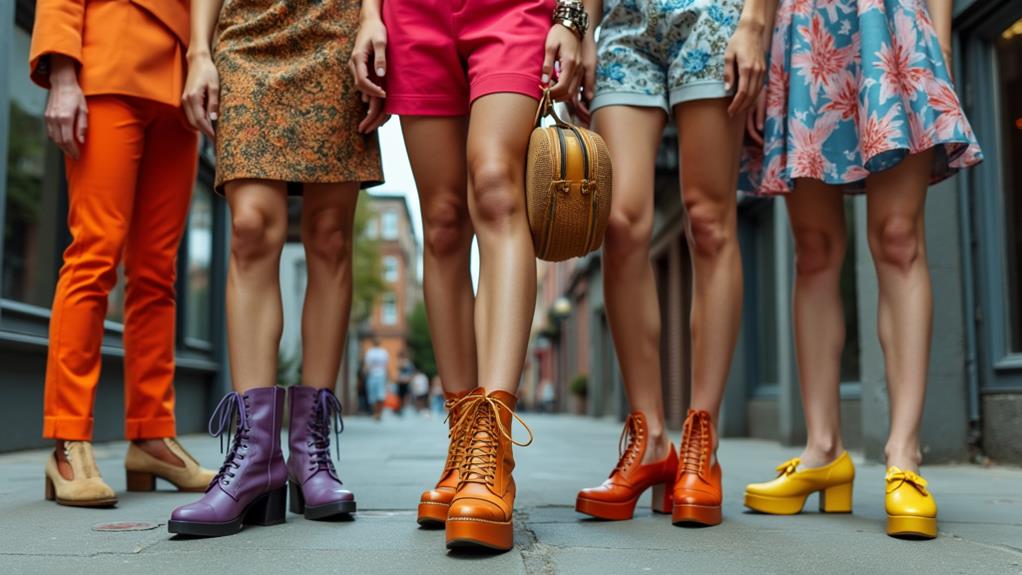
Modern adaptations of 1970s platform shoes seamlessly blend retro charm with contemporary creativity. Today's platform shoes offer a unique combination of nostalgic aesthetics and modern practicality. Brands have reimagined these iconic shoes with advanced materials and design elements, ensuring they appeal to today's fashion-forward consumers.
Comfort is a key feature of contemporary platforms. Unlike their 1970s counterparts, modern platform shoes incorporate advanced cushioning and supportive structures, making them suitable for a range of outfits and occasions. Whether you're dressing up for a night out or adding a stylish touch to your casual wear, these shoes fit effortlessly into your wardrobe.
The resurgence of 1970s-inspired platforms aligns with a broader trend in fashion that embraces nostalgia while prioritizing comfort and modern styling. Major fashion labels and designers showcase platform shoes in their latest collections and during fashion weeks, underscoring their ongoing relevance.
Social media influencers and celebrities also play a crucial role in propelling the popularity of these modern adaptations. By frequently featuring them in their posts, they drive interest and inspire consumers to explore retro-inspired footwear options that seamlessly blend the old with the new.
Enduring Legacy
The influence of 70s fashion is evident in today's platform shoe trends, which often pay tribute to the bold styles of that era. Modern designers frequently draw inspiration from the chunky heels and platform boots of disco culture, merging nostalgia with contemporary design elements. This enduring legacy keeps vintage platforms in high demand, underscoring their timeless appeal.
70s Fashion Influence
Reflecting a vibrant phase of cultural revolution and self-expression, platform shoes of the 1970s broke boundaries and made bold fashion statements. These chunky designs became synonymous with the disco era's dynamic fashion scene, often paired with iconic outfits like flare jeans and maxi dresses. Wearing platform shoes signified individuality and rebellion, challenging traditional gender norms dictating men's and women's attire.
Both men and women embraced these shoes, strutting across dance floors and everyday spaces alike. They symbolized the era's emphasis on self-expression, with a sheer diversity in styles—from platform heels to boots and sandals—turning fashion into a playground for creativity and personal expression.
Platform shoes didn't fade away with the close of the 1970s. Their popularity laid the groundwork for future fashion trends, influencing modern shoe designs. Today, nostalgia for 1970s fashion keeps the flame alive, making vintage platform shoes highly sought-after collectibles among retro fashion enthusiasts. Embracing these iconic shoes connects you to a legacy of boundary-breaking individuality and dynamic self-expression.
Contemporary Platform Trends
Platform shoes from the 1970s continue to thrive in today's fashion landscape, seamlessly blending past influences with contemporary trends. Modern designs retain the chunky heels and vibrant colors that defined the era's iconic aesthetic. Celebrities like Florence Pugh and Olivia Rodrigo are often seen wearing 70s-inspired platforms, keeping these styles firmly in vogue.
Major fashion brands such as Balenciaga and Nike have reintroduced platform shoes, highlighting their enduring appeal through innovative designs and high-profile collaborations. This resurgence has also sparked a demand for authentic 70s styles, with collectors and retro enthusiasts searching vintage shops for the perfect pair.
Platforms today are versatile, merging 70s glamour with modern comfort and style. Whether you're walking down the street or attending a party, platform shoes make a bold statement that's hard to ignore. They are essential for anyone looking to embrace retro fashion trends.
Here's a quick summary of what makes contemporary platforms so irresistible:
| Influencers | Brands | Appeal |
|---|---|---|
| Florence Pugh | Balenciaga | Nostalgic yet modern |
| Olivia Rodrigo | Nike | Bold, vibrant designs |
| Retro enthusiasts | Collaborations | Versatile and stylish |
| Vintage collectors | Innovative styles | Enduring legacy |