The Craze for Ed Hardy and Rhinestone Tees in the 2000s
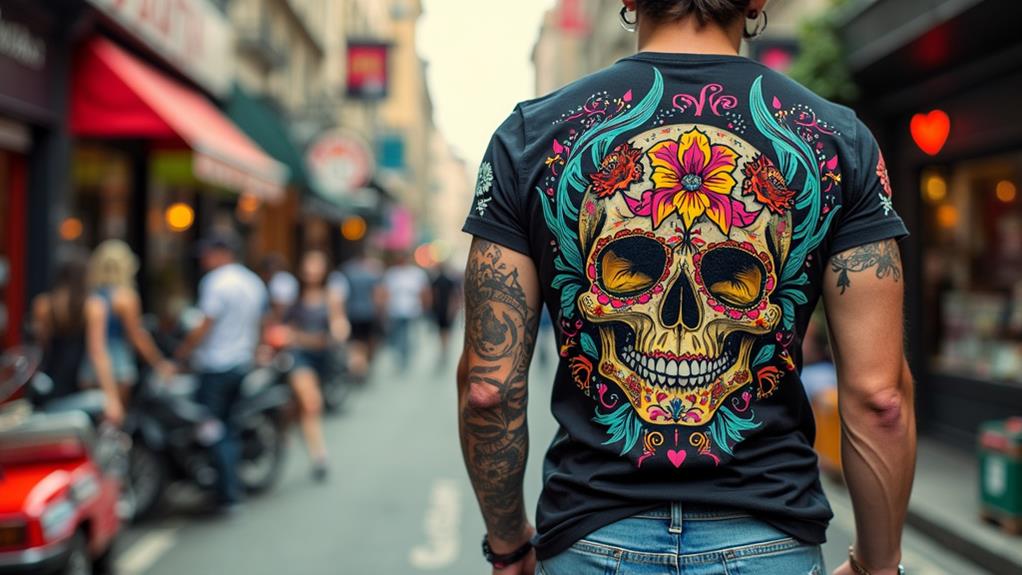
The 2000s witnessed the meteoric rise of Ed Hardy and rhinestone tees, a fashion phenomenon that captivated a global audience. Driven by designer Christian Audigier, these embellished garments transcended mere clothing to become bold statements of identity. Celebrities like Paris Hilton and Jessica Simpson popularized these tattoo-inspired designs, elevating them to symbols of status and self-expression. But what fueled this craze, and why did it resonate so profoundly with the culture of the time? Let's delve into the rise, influence, and eventual decline of this iconic trend.
Rise of Ed Hardy
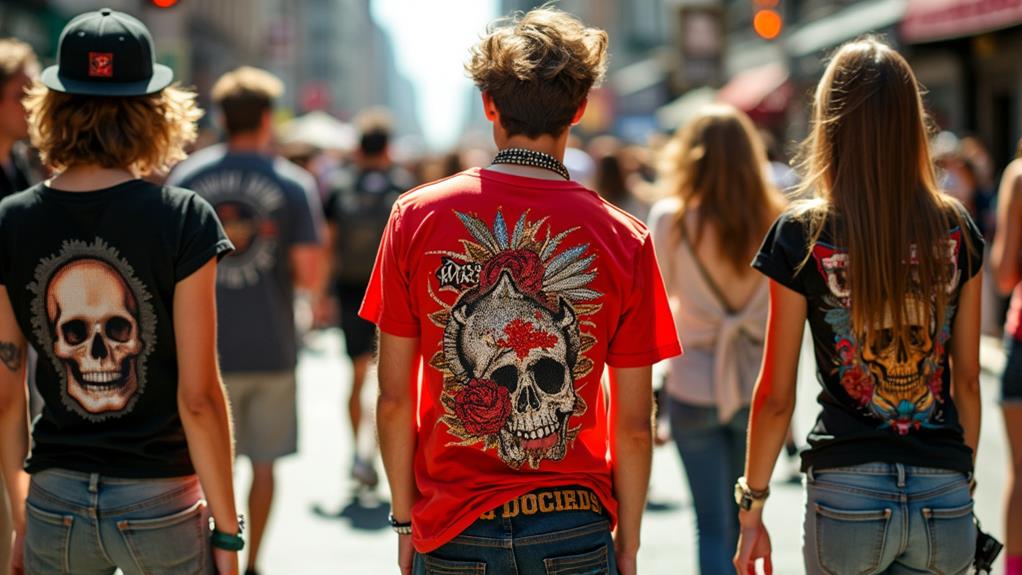
Ed Hardy rapidly ascended to prominence after its launch by designer Christian Audigier in 2004, captivating the fashion world by blending tattoo art with dynamic clothing designs. The brand's bold creations, featuring intricate tattoo motifs and sparkling rhinestones, represented a perfect fusion of streetwear and high fashion. By tapping into the tattoo renaissance of the 2000s, Ed Hardy became a symbol of maximalism, distinguished by its vivid colors and unapologetic designs.
Celebrity endorsements played a pivotal role in Ed Hardy's meteoric rise. Hollywood stars and pop icons frequently sported the brand's eye-catching apparel, making it a staple of 2000s fashion. This heightened visibility not only enhanced the brand's cool factor but also established Ed Hardy as a cultural phenomenon, appealing to a broad demographic.
Ed Hardy's unique approach to merging tattoo art with fashion helped normalize tattoo culture in mainstream society. Despite some critics labeling the aesthetic as "tacky," the brand's fusion of bold streetwear elements and luxurious touches resonated with many. By 2009, Ed Hardy had generated over $700 million in revenue, solidifying its place in fashion history.
Rhinestone Tees Popularity
You probably remember seeing celebrities like Paris Hilton and Miley Cyrus flaunting those iconic rhinestone tees in the 2000s. These shirts didn't just make a fashion statement; they marked a cultural shift towards embracing bold designs and body art. The trend's evolution from minimalist styles to embellished graphics reflected a broader acceptance of tattoo culture in mainstream fashion.
Celebrity Endorsements Impact
Celebrity endorsements in the 2000s were pivotal in boosting the popularity of rhinestone tees, especially those from the Ed Hardy brand. When Paris Hilton and Britney Spears frequently wore Ed Hardy, it was more than just a fashion statement; it drove consumer demand to unprecedented levels. These rhinestone tees, featuring tattoo-inspired designs, quickly became emblematic of celebrity culture, turning them into must-have items for fans wanting to emulate their favorite stars.
By 2009, the Ed Hardy brand, capitalizing on its high-profile associations, had generated over $700 million in revenue. This remarkable success underscores the power of celebrity endorsements. Similarly, Justin Timberlake popularized the Von Dutch trucker hat, demonstrating how celebrity influence can significantly boost a brand's visibility and desirability, akin to the craze for Ed Hardy's rhinestone tees.
Limited edition designs and collaborations with celebrities like Christian Audigier further fueled the buzz, making these tees even more desirable. Reality TV and celebrity gossip blogs amplified this trend, transforming the fashion choices of reality stars into mainstream trends that everyone wanted to follow.
Cultural Significance Explored
The rhinestone tees of the 2000s did more than just dot the fashion scene; they became symbols of a period fixated on bling and celebrity culture. Adorned with rhinestones and tattoo-inspired designs, these tees captured the era's obsession with extravagant and embellished clothing. Ed Hardy pieces, in particular, were ubiquitous, showcasing how bling culture infiltrated mainstream fashion.
- Cultural Phenomenon: Rhinestone tees epitomized the maximalism trend, where excess was celebrated.
- Celebrity Endorsements: Figures like Paris Hilton and Justin Timberlake made these tees highly desirable.
- Identity and Status: Sporting these tees signaled luxury and social ambition.
- Economic Impact: With prices often exceeding $180, consumers eagerly invested in this fashionable identity.
Design Trends Evolution
As rhinestone tees surged in popularity during the 2000s, their design trends evolved to reflect the era's fascination with bold self-expression and maximalism. Ed Hardy shirts became emblematic of this trend, featuring intricate tattoo art and rhinestone embellishments that resonated with the burgeoning tattoo culture. This appeal was amplified by celebrity influencers who embraced these designs, propelling them into mainstream fashion trends.
| Trend | Description |
|---|---|
| Bold Graphics | Skulls, tigers, and tattoo-inspired motifs |
| Celebrity Influence | Stars like Madonna and Britney Spears popularized them |
| Vintage Revival | Resale prices now exceeding $200 |
Major trade shows like Magic in Vegas were awash with the lively presence of rhinestone tees. These designs resonated particularly with a youth demographic eager for self-expression. The prices of Ed Hardy shirts often exceeded $180, transforming them into both a fashion statement and a status symbol. Over time, the vintage revival of these iconic pieces has underscored their lasting impact, with some items fetching high prices in the resale market.
The evolution of rhinestone tees during the 2000s showcases a unique blend of artistic flair and commercial success, driven by a desire for bold, unmistakable self-expression.
Celebrity Endorsements
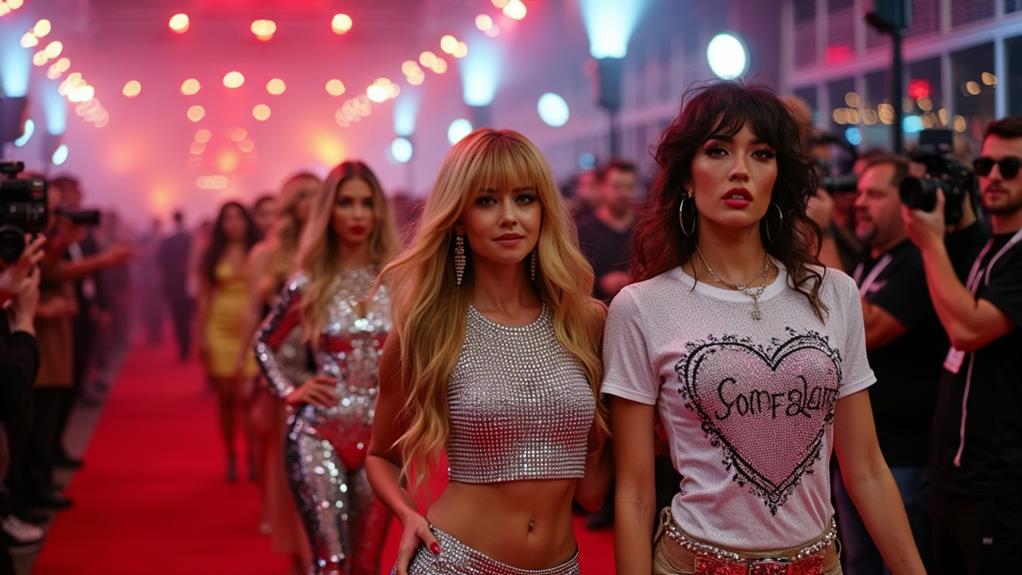
Celebrity endorsements played a pivotal role in propelling Ed Hardy shirts into the fashion limelight of the 2000s. Iconic figures like Paris Hilton and Jessica Simpson frequently wore the brand, significantly boosting its visibility. Christian Audigier, the visionary behind Ed Hardy, expertly harnessed celebrity culture to elevate the brand's profile. He collaborated with stars to create limited edition designs, which sold out rapidly and increased the brand's allure.
Here's how celebrity endorsements were crucial:
- Paris Hilton and Jessica Simpson: Their frequent appearances in Ed Hardy shirts turned everyday outings into must-have fashion moments.
- Limited edition designs: Collaborations with celebrities produced exclusive pieces that fans eagerly sought.
- Media influence: Features in magazines and TV shows like "The Hills" cemented Ed Hardy's place in pop culture.
- Diverse endorsements: High-profile musicians and athletes like Justin Timberlake and Lil Wayne helped Ed Hardy reach a wider audience.
The media influence was undeniable, as reality TV stars and musicians alike embraced Ed Hardy's tattoo-inspired designs. This synergy of fashion, music, and pop culture catapulted the brand's sales from $1 million in 2001 to over $700 million by 2009, making it a defining phenomenon of the decade.
Cultural Impact
When discussing Ed Hardy's cultural impact, it's essential to recognize how the brand brought tattoo art into mainstream fashion. Celebrity endorsements transformed these $180 rhinestone tees into highly coveted items, merging high fashion with streetwear. This trend not only boosted clothing sales but also shifted societal perceptions of tattoos and personal expression.
Tattoo Culture Influence
The rise of tattoo culture in the 2000s significantly impacted mainstream fashion, bringing brands like Ed Hardy into the limelight. The number of professional tattoo artists surged from 500 in 1960 to over 10,000 by 1995, laying the groundwork for tattoo-inspired fashion to become widely accepted.
Launched by Christian Audigier in 2004, Ed Hardy epitomized this trend by incorporating intricate tattoo art into everyday wear. The brand's iconic tees, often embellished with rhinestones, allowed for bold and stylish self-expression. The popularity of lower back tattoos among women paralleled the success of Ed Hardy apparel, integrating tattoo aesthetics into mainstream fashion.
- By 2009, Ed Hardy had generated over $700 million, highlighting the commercial success of tattoo-inspired fashion.
- Rhinestone detailing became a signature element of the brand, adding a glamorous touch to the tattoo designs.
- The normalization of tattoos expanded fashion choices for many.
- Brands like Ed Hardy and Affliction leveraged this trend, shaping consumer behavior and branding strategies.
In embracing tattoo culture, Ed Hardy did more than sell clothes; it sold a lifestyle.
Celebrity Endorsement Power
Celebrity endorsements played a pivotal role in propelling the Ed Hardy brand to its peak in the mid-2000s. Magazines were flooded with images of Paris Hilton and Lindsay Lohan sporting rhinestone tees, making Ed Hardy a symbol of glamour and rebellion. This celebrity backing did more than just boost visibility; it propelled the brand to the forefront of high fashion.
Similarly, Justin Timberlake's promotion of Von Dutch trucker hats around the same time highlighted the power of celebrity culture in creating overnight trends. This synergy catapulted Ed Hardy to generate over $700 million in revenue by 2009. The unique blend of tattoo art and fashion, heavily endorsed by celebrities, transformed Ed Hardy tees into coveted status symbols.
| Celebrity | Item Endorsed | Impact on Brand Popularity |
|---|---|---|
| Paris Hilton | Rhinestone Tees | Elevated glamour appeal |
| Lindsay Lohan | Rhinestone Tees | Enhanced visibility |
| Justin Timberlake | Von Dutch Trucker Hats | Exemplified trend-setting power |
The brand's allure of exclusivity and luxury was undeniable, with Ed Hardy shirts priced around $180. With the help of celebrity endorsements and limited edition designs, annual sales skyrocketed from $1 million in 2001 to $33 million by 2003, solidifying the brand's high-fashion status.
Fashion Evolution
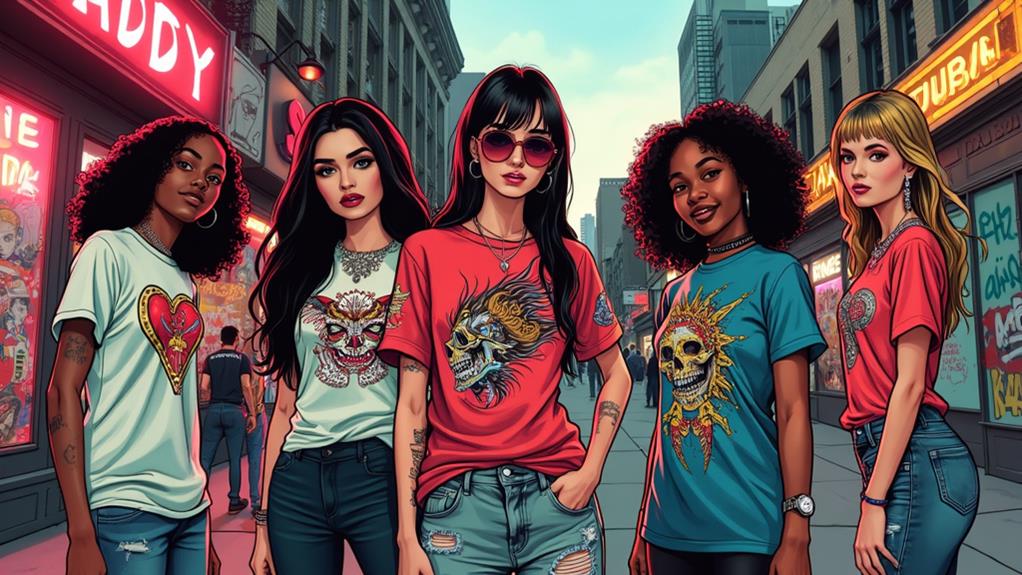
The 2000s marked a significant shift in fashion, characterized by bold, statement-making pieces like Ed Hardy's graphic tees and rhinestone embellishments. These elements redefined the fashion landscape, emphasizing self-expression and a maximalist approach. Launched by Christian Audigier in 2004, Ed Hardy capitalized on the mainstream acceptance of tattoo culture, offering graphic tees adorned with intricate designs and rhinestones. By 2009, the brand had generated over $700 million in revenue.
Rhinestone embellishments were ubiquitous, epitomizing the bling-focused fashion of the era. Items like Ed Hardy shirts and Juicy Couture tracksuits became staples among celebrities. Several factors influenced these trends:
- The normalization of tattoo culture, which impacted design aesthetics.
- The rise of raunch culture and reality television.
- A rejection of the minimalist trends of the 1990s.
- A desire for ostentatious styles that showcased individuality and status.
Rhinestone tees epitomized the maximalist approach of 2000s fashion, appealing to a wide demographic eager to express themselves. This period's fashion evolution was not just about clothing; it was about making bold statements and embracing eye-catching styles.
Criticisms and Controversies
Ed Hardy's meteoric rise in the 2000s wasn't without its critics, who took issue with the brand for promoting a "tattooed" aesthetic that many found gaudy and excessively flamboyant. Featuring bold graphics and rhinestones, Ed Hardy's designs quickly became emblematic of a fashion trend criticized for lacking authenticity. Critics argued that the brand's flashy style contributed to a culture of materialism and consumerism, creating a look that emphasized excess over elegance.
Celebrity endorsements exacerbated the backlash, as Ed Hardy shirts became symbols of commercialization, diluting the artistry of traditional tattooing for mainstream appeal. Many felt that the mass production of tattoo-inspired apparel undermined the genuine essence of tattoo culture, turning a form of personal expression into a ubiquitous fashion statement.
Despite reaching sales of over $700 million by 2009, Ed Hardy's overwhelming influence on the fashion landscape was both undeniable and contentious. By the late 2000s, a shift in fashion trends towards more understated and sustainable styles marked the decline of Ed Hardy's popularity. Consumers began moving away from flashy brands, leading to a reassessment of Ed Hardy's place in the fashion industry.
Lasting Legacy
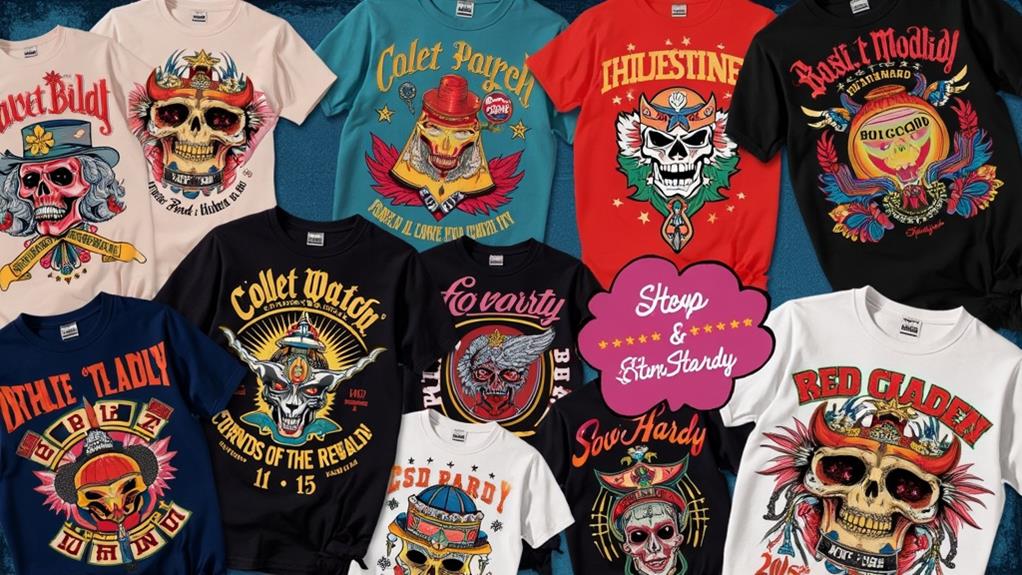
Ed Hardy's unique fusion of tattoo art and fashion carved out a lasting legacy that endures beyond its peak years. By blending bold graphics with rhinestone tees, Ed Hardy tapped into the 2000s bling culture, significantly influencing fashion trends. The brand's designs transcended mere clothing to become statements, frequently worn by celebrities, which amplified their appeal and visibility.
- Revenue Milestone: Surpassed $700 million in revenue by 2009.
- Cultural Phenomenon: Rhinestone tees became status symbols, selling for up to $180.
- Celebrity Influence: Endorsed by numerous high-profile personalities.
- Bling Culture Impact: Mirrored broader consumer and fashion trends.
The appeal of these embellished tees and their tattoo art aesthetic resonated deeply with the bling culture of the time. Celebrity endorsements played a crucial role in solidifying Ed Hardy's place in mainstream fashion. Even today, the brand's influence is evident in contemporary styles that merge art and apparel. Ed Hardy's bold, graphic designs continue to inspire, proving that its legacy remains dynamic and influential in the ever-evolving fashion world.