The "Anti-Fashion" Movement of the 1990s
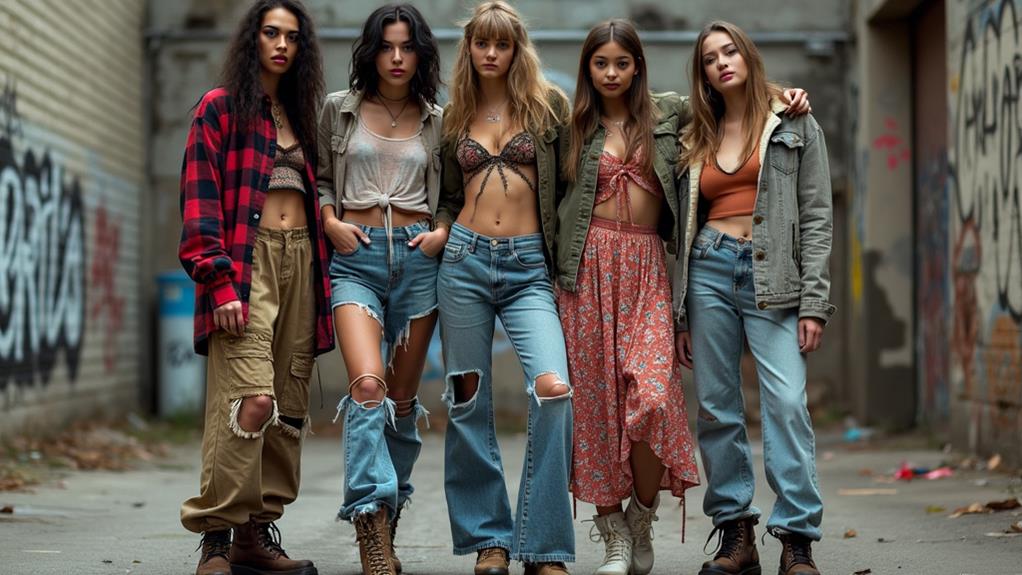
Imagine the '90s, a time when fashion took a radical turn from the glitz and glam of the '80s, giving rise to the "Anti-Fashion" movement. Thrifted garments and DIY creations celebrated individuality over mainstream trends. Designers like Rei Kawakubo and Helmut Lang led this minimalist, deconstructed aesthetic, while grunge culture popularized oversized, gender-neutral looks. This shift didn't just change wardrobes; it sparked new discussions on sustainability and ethics in fashion. Curious about how this movement connects with today's fashion landscape? There's much more to uncover.
Definition and Overview
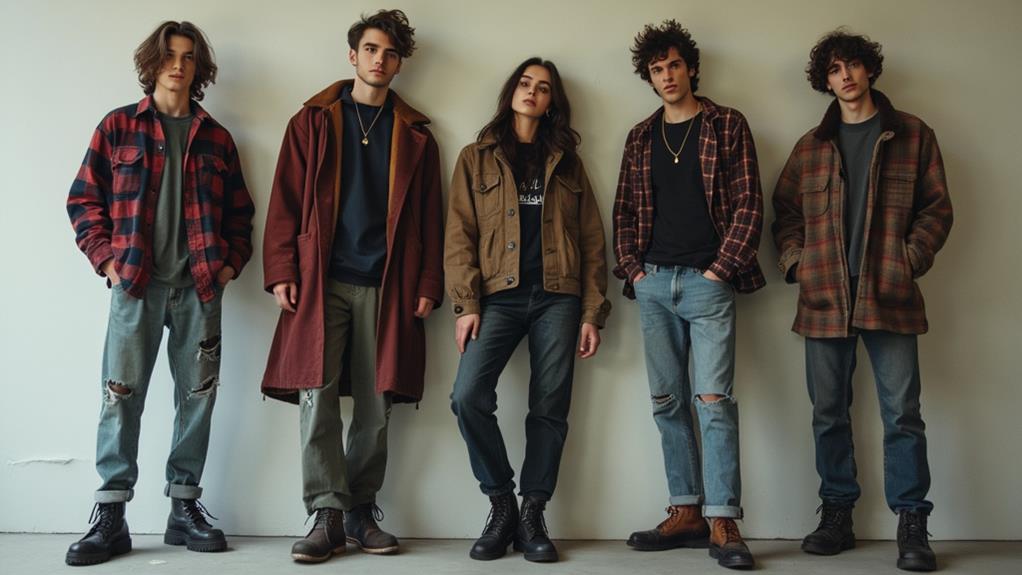
The anti-fashion movement of the 1990s revolutionized the fashion industry by rejecting mainstream trends and embracing individuality through unconventional styles and materials. This movement emphasized non-conformity, challenging the polished and extravagant looks of high fashion. It celebrated thrift store finds and DIY aesthetics, allowing people to express their unique personalities without adhering to traditional beauty standards or consumerist ideals.
Key figures such as Rei Kawakubo, Yohji Yamamoto, and Helmut Lang were instrumental in defining anti-fashion. They introduced deconstructed silhouettes and minimalist designs that diverged from the opulence of the 1980s. By focusing on the essentials of fashion, they created innovative and accessible pieces that prioritized personal expression over societal expectations.
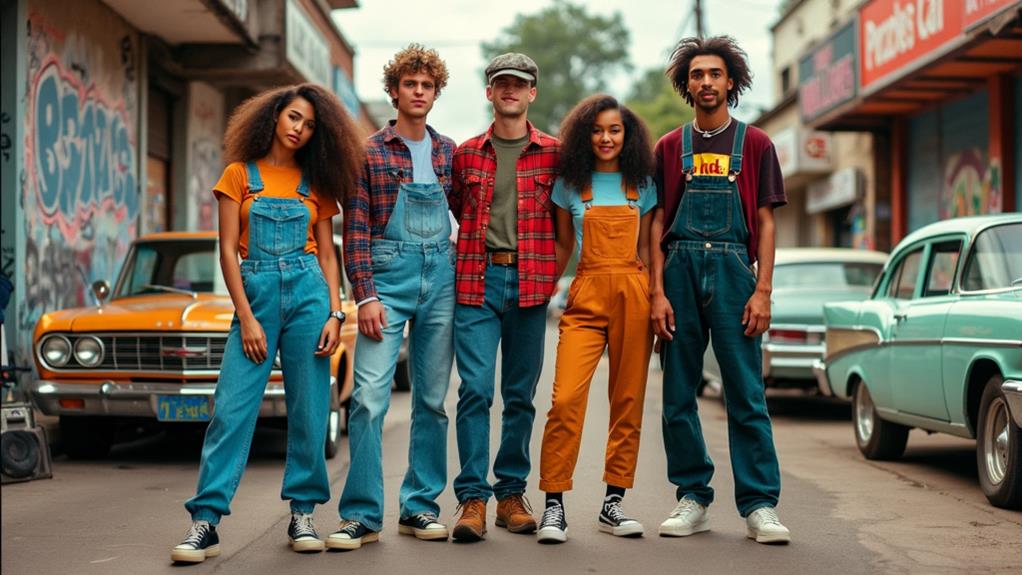
Heavily influenced by grunge culture, anti-fashion incorporated elements like plaid shirts and oversized silhouettes into everyday wardrobes. This rejection of glamour and materialism struck a chord with many, positioning anti-fashion as a significant counterpoint to high fashion's excess. Today, the legacy of this movement is evident in the popularity of streetwear, sustainable fashion, and the continued interest in vintage and thrifted clothing.
Historical Context
Amid the shifting cultural landscape of the late 1980s and early 1990s, the anti-fashion movement emerged as a bold counter-reaction to the previous decade's opulence. The extravagant fashion trends of the 1980s, characterized by luxury and excess, gave way to a more minimalist and utilitarian aesthetic. Anti-fashion designers like Rei Kawakubo and Yohji Yamamoto became pivotal figures, challenging conventional beauty standards and traditional silhouettes with their deconstructed, avant-garde designs.
The influence of grunge culture, led by bands like Nirvana, popularized thrifted and layered clothing, emphasizing individuality and a rejection of mainstream consumerism. Political and social movements of the time, including feminist and LGBTQ+ rights activism, also played significant roles. They encouraged self-expression and non-conformity through fashion choices, contributing to the breakdown of rigid gender roles in clothing.
The anti-fashion movement of the 1990s not only made a statement but also laid the groundwork for contemporary discussions around sustainability, ethical fashion, and the ongoing deconstruction of gender norms in clothing. Its impact continues to resonate in the current fashion industry.
Key Designers
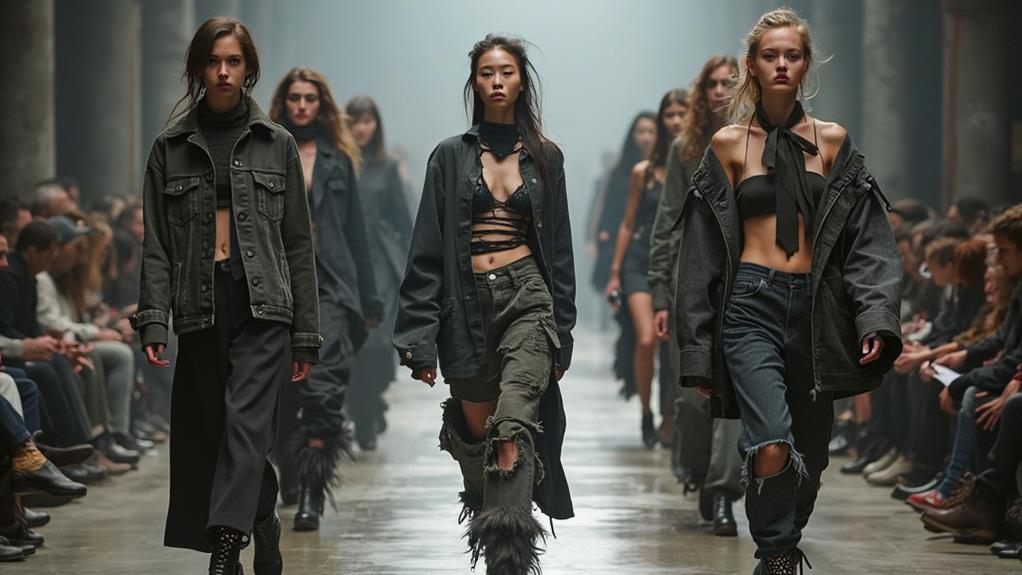
Investigating the key designers of the 1990s anti-fashion movement reveals influential figures such as Helmut Lang, Rei Kawakubo, Yohji Yamamoto, Martin Margiela, and Raf Simons. These designers introduced groundbreaking elements like deconstruction, minimalism, avant-garde experimentation, and youth culture influences. Their innovative approaches challenged traditional high fashion norms and left a lasting cultural impact that continues to resonate today.
Pioneers in Anti-Fashion
In the 1990s, a group of visionary designers redefined fashion by challenging its very foundations. Central to the anti-fashion movement, Helmut Lang emerged as a pivotal figure. His minimalist designs emphasized deconstruction and utilitarian aesthetics, rejecting conventional beauty norms and offering a fresh, stripped-down approach to fashion.
Rei Kawakubo, the creative force behind Comme des Garçons, revolutionized the industry with her avant-garde styles. Her groundbreaking use of low-chroma fabrics and gender-blurring designs shattered traditional fashion boundaries, making a bold statement about individuality and freedom of expression.
Yohji Yamamoto also made significant contributions to the anti-fashion scene. His work featured oversized silhouettes and a unique blend of Eastern and Western influences. Yamamoto's designs prioritized comfort and individuality, encouraging wearers to find their own narrative within his creations.
Martin Margiela gained recognition for his emphasis on upcycling and the stories behind garments. By utilizing unconventional materials, he critiqued consumerism and offered a new perspective on what fashion could be.
Signature Design Elements
Signature design elements from key designers in the anti-fashion movement of the 1990s redefined industry standards with unique approaches.
Helmut Lang's minimalist designs were notable for their deconstruction techniques, seamlessly blending high fashion with workwear. His focus on functionality created a clean, groundbreaking, and practical aesthetic.
Rei Kawakubo, the creative force behind Comme des Garçons, embraced avant-garde styles. Her experimental approach featured unconventional silhouettes and fabrics, challenging traditional garment structures and pushing the boundaries of fashion design.
Yohji Yamamoto's creations skillfully combined Eastern and Western influences. His oversized silhouettes and gender-neutral clothing defied conventional gender norms, offering a fresh perspective on how fashion could transcend societal boundaries.
Martin Margiela's work emphasized upcycling and anonymity. His use of deconstructed elements and unconventional materials highlighted the backstory of each garment, making every piece a narrative in itself.
Raf Simons drew inspiration from youth culture and political themes, often integrating these influences into his bold designs. His collections, infused with elements from the rave scene, challenged societal norms and added a dynamic edge to the anti-fashion movement.
Each designer's signature elements contributed to a redefined fashion landscape.
Cultural and Fashion Impact
The unique design elements pioneered by these key figures didn't just redefine aesthetics; they reshaped the cultural fabric of fashion itself. Helmut Lang's minimalist designs and deconstructed pieces shifted high fashion's focus towards simplicity and comfort, challenging the ornate styles that once dominated the industry. His influence remains evident in contemporary fashion, where minimalism continues to thrive.
Rei Kawakubo of Comme des Garçons broke boundaries with avant-garde, experimental styles that defied traditional gender norms. Her use of low-chroma fabrics and unconventional silhouettes questioned fashion's status quo, making her a pivotal figure in the anti-fashion movement.
Yohji Yamamoto's fusion of Eastern and Western aesthetics, oversized silhouettes, and gender-neutral concepts profoundly impacted the fashion world. His designs continue to inspire a blend of global styles in the modern fashion landscape.
Martin Margiela's focus on upcycling and garment backstories invited consumers to rethink fashion's relationship with consumerism. His emphasis on anonymity and sustainability has become increasingly relevant in current fashion trends.
Raf Simons, with his incorporation of youth culture and political themes, especially in his 1997 rave-inspired collection, embodied the anti-fashion ethos of individuality and self-expression. His work continues to resonate, influencing contemporary designers and fashion enthusiasts alike.
Characteristics and Themes
The anti-fashion movement of the 1990s emphasized individuality and self-expression through unconventional design elements. Thrifted and vintage clothing, DIY aesthetics, and layered, oversized garments were prevalent, rejecting mainstream norms. This movement's focus on personal style and comfort over glamour challenged traditional fashion standards and embraced inclusive, gender-neutral designs.
Unconventional Design Elements
Amidst the anti-fashion movement of the 1990s, designers embraced unconventional elements that defied traditional fashion norms. Emphasizing anti-fashion ideals, they experimented with non-traditional materials like deconstructed fabrics and thrifted garments. Oversized silhouettes and raw edges became hallmark features, rejecting polished finishes and conventional tailoring.
Designers such as Helmut Lang and Martin Margiela led this charge with their minimalist and deconstructed styles. They often showcased garments with unfinished details, making bold statements against the mainstream fashion industry. Gender-neutral designs also emerged, with brands like Comme des Garçons and Yohji Yamamoto offering unisex pieces that blurred the lines between masculine and feminine aesthetics.
Asymmetry and three-dimensional styles were other key features of this movement. Unique cuts and layering techniques emphasized individuality over conventional beauty standards, fostering a sense of authenticity and self-expression. These elements stood in opposition to consumerism and fast fashion.
The anti-fashion movement also adopted DIY aesthetics and thrift culture, promoting a critique of consumerism. By encouraging the repurposing and personalization of clothing, it created a platform for authentic self-expression, making fashion more about who you are than what you wear.
Emphasis on Individuality
During the 1990s, the anti-fashion movement emphasized individuality, encouraging people to express themselves through thrifted and DIY clothing rather than mainstream trends. This approach allowed individuals to curate unique wardrobes reflecting personal style and preferences. Opting for thrifted pieces broke the cycle of consumerism and promoted sustainable fashion practices.
Designers like Rei Kawakubo and Yohji Yamamoto were pivotal in this movement. They challenged traditional silhouettes and body norms, incorporating asymmetry and unconventional materials into their collections. Their designs celebrated individuality, offering alternatives to the polished, uniform looks of mainstream fashion.
The grunge aesthetic, characterized by layered outfits and utilitarian styles, epitomized this ethos. Rejecting glamour for an unpolished look allowed individuals to project an authentic, down-to-earth persona. Themes of androgyny and gender-neutrality became prominent, with designers creating unisex styles that blurred the lines between masculine and feminine clothing. This focus on comfort and practicality further reinforced the movement's critique of consumerism and celebration of individuality. Adopting these principles transformed fashion into a true form of self-expression.
Impact on Fashion

The anti-fashion movement of the 1990s revolutionized the industry by promoting individuality and self-expression, leading to the rise of streetwear and casual styles that prioritized comfort over traditional aesthetics. Designers like Helmut Lang and Rei Kawakubo defied conventional norms with minimalist and avant-garde approaches, introducing deconstructed and oversized silhouettes to mainstream fashion. This era pushed boundaries and expanded the definition of what was considered fashionable.
During this period, thrift shopping and DIY aesthetics became increasingly popular, reflecting a growing preference for unique, personalized styles and marking the beginning of sustainable fashion practices. Key elements of grunge fashion, such as plaid shirts and distressed denim, became iconic and continue to influence modern trends, sparking a resurgence of 90s styles in current fashion collections.
| Element | Anti-Fashion Impact | Mainstream Fashion Integration |
|---|---|---|
| Minimalism | Promoted by Helmut Lang | Widely accepted in modern collections |
| Deconstruction | Avant-garde approach | Common in high fashion |
| Thrift Shopping | Emphasis on sustainability | Influences eco-friendly practices |
| Grunge Elements | Iconic plaid and distressed denim | Recurring in contemporary designs |
| Inclusivity | Challenged beauty standards | Broader representation in media |
The anti-fashion movement also ignited significant discussions on consumerism and societal expectations, encouraging a reevaluation of beauty standards and paving the way for more inclusive and diverse representations in fashion.
Modern Relevance
The anti-fashion movement of the 1990s redefined the fashion landscape and continues to influence modern styles and consumer preferences. Its legacy is evident in the popularity of distressed clothing and thrift shopping among younger generations, reflecting a desire for authenticity and individuality—core principles of anti-fashion.
Designers like Demna Gvasalia and Rick Owens draw inspiration from anti-fashion, incorporating satirical elements and DIY aesthetics into their collections. Their work rejects mainstream fashion norms, much like their 90s predecessors. Social media has amplified the visibility of 90s styles and alternative fashion trends, playing a crucial role in this resurgence.
Today's consumers increasingly prioritize sustainability and ethical practices, echoing the anti-fashion movement's critique of fast fashion and consumerism. This shift is apparent in the growing preference for sustainable brands and second-hand shopping. Additionally, the aesthetic values of anti-fashion—such as comfort, androgyny, and individuality—remain relevant, fostering a cultural shift towards more inclusive and diverse representations within the industry. This ensures that anti-fashion's impact endures.