The 2000s Pop Punk Fashion: Skinny Jeans and Band Tees
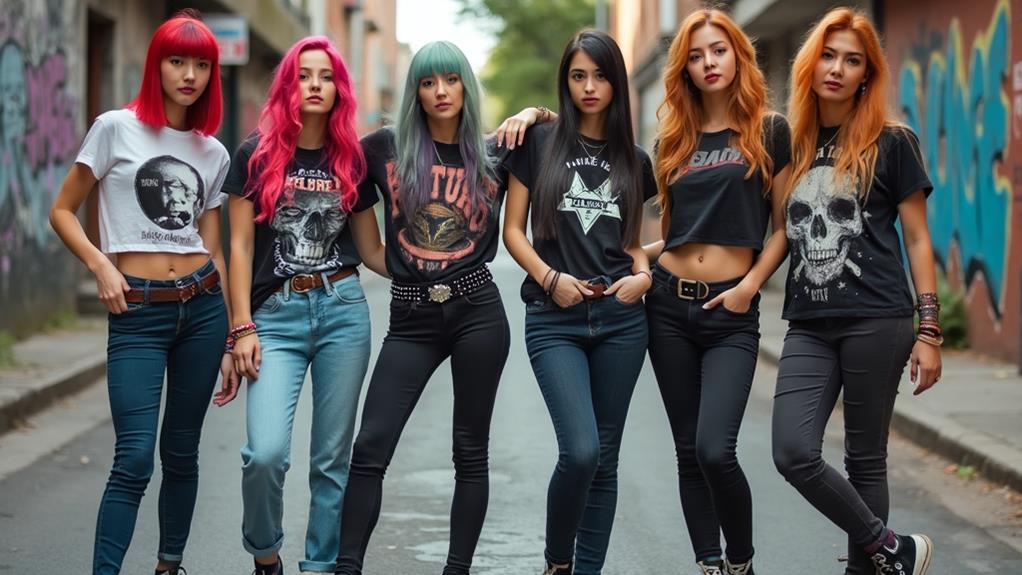
Imagine you're back in the early 2000s, navigating a world where skinny jeans and band tees are more than just clothing—they're cultural statements. Teens and young adults alike embraced this style, which fused rebellion and unity through music. Skinny jeans hugged your frame, while band tees showcased your favorite bands, creating an unspoken bond with those around you. But what made this combination resonate so deeply? And how did it become a defining look for a generation? Let's explore the cultural and musical forces that made this trend unforgettable.
Influence of Music
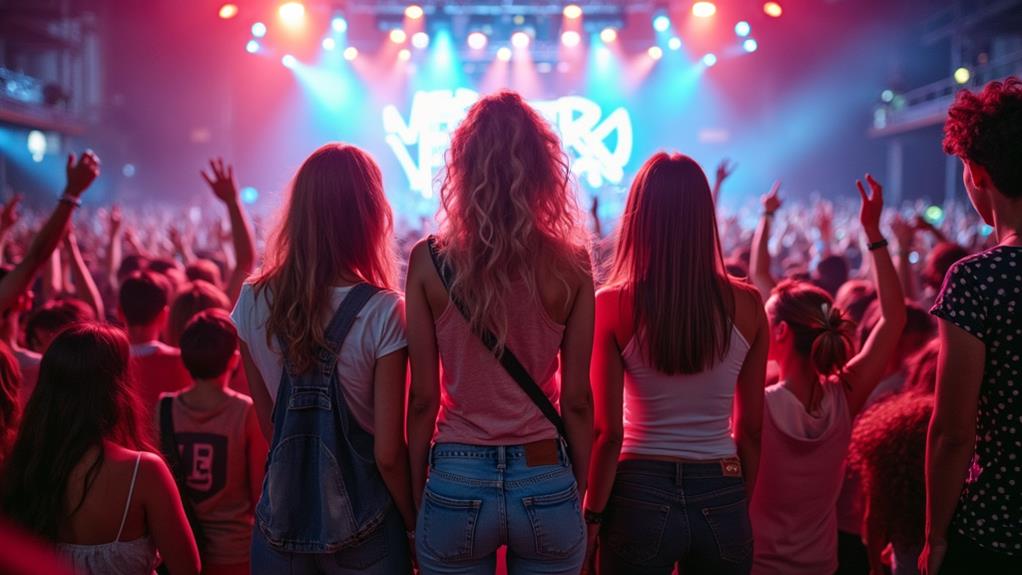
In the early 2000s, the surge of Pop Punk music, led by bands like Blink-182 and Green Day, dominated the airwaves and significantly influenced fashion trends. Graphic band tees and skinny jeans became staples, symbolizing the genre. The music's themes of rebellion, youth culture, and individuality deeply resonated with fans, inspiring them to express themselves through their clothing.
Pop Punk was more than just a sound; it was a lifestyle. The DIY culture within the scene encouraged customization of wardrobes. Adding patches and pins to band tees and denim jackets became a popular form of personal expression, showcasing unique identities. This DIY aesthetic was a statement, not just a trend.
Skate culture also played a significant role, contributing to a casual yet edgy look. Oversized hoodies, baggy jeans, and lively accessories were common, reflecting the laid-back yet rebellious spirit of the music. Even today, early 2000s Pop Punk fashion continues to influence, proving its lasting cultural impact.
Emo Fashion Traits
Emo fashion is characterized by a dark color palette, predominantly featuring black, red, and purple, reflecting the emotional depth of its associated music. Hairstyles are equally distinctive, often showcasing choppy, asymmetrical cuts and bold colors such as black or red. These elements together create a look that is both expressive and unmistakably Emo.
Dark Color Palette
Emo fashion thrives on a dark color palette, featuring shades like black, red, and purple that symbolize the genre's core themes of raw emotion and rebellion. Black skinny jeans and band t-shirts are essential pieces in this style, visually representing messages of individuality and authenticity. This dark palette isn't just about looking edgy; it's a rejection of mainstream beauty standards, allowing for unique self-expression.
In Emo fashion, every piece of clothing tells a story. The DIY culture embraced by this subculture means fans often customize their outfits with patches, slogans, and pins, transforming ordinary items into personal statements. Your black skinny jeans might feature a patch of your favorite band's logo, while your band t-shirt could be adorned with a meaningful slogan.
These elements—the dark hues, customized clothing, and signature black skinny jeans—create a cohesive look that's unmistakably Emo. The dark color palette serves as more than just a fashion choice; it's an emblem of the raw, unfiltered emotions that define the Emo genre.
Iconic Hairstyles
Ever wonder what made Emo hairstyles so captivating? These iconic styles were more than just fashion statements; they embodied the rebellious spirit central to Emo music and culture. With choppy, asymmetrical cuts and bold colors like black, red, and purple, these hairstyles reflected individuality and emotional expression. Long side-swept bangs that partially obscured the face became a signature look, symbolizing the subculture's embrace of authentic, raw emotion.
The DIY ethos was strong, encouraging fans to customize their hair with unique dyes, products, and techniques. This hands-on approach fostered a sense of personal identity and defied mainstream beauty norms.
Here's a glimpse of what made Emo hairstyles resonate:
| Emotion | Hairstyle Element |
|---|---|
| Individuality | Bold colors (black, red) |
| Rebellion | Choppy, asymmetrical cuts |
| Authenticity | Long side-swept bangs |
| Personal Statement | Custom dyes and techniques |
These hairstyles weren't just about looks; they were a form of self-expression and a rejection of conventional standards. Even today, elements of these iconic hairstyles are being revived, proving their enduring impact on fashion and personal expression. Whether you're reminiscing or seeking inspiration, Emo hairstyles continue to make a statement.
Pop Punk Style
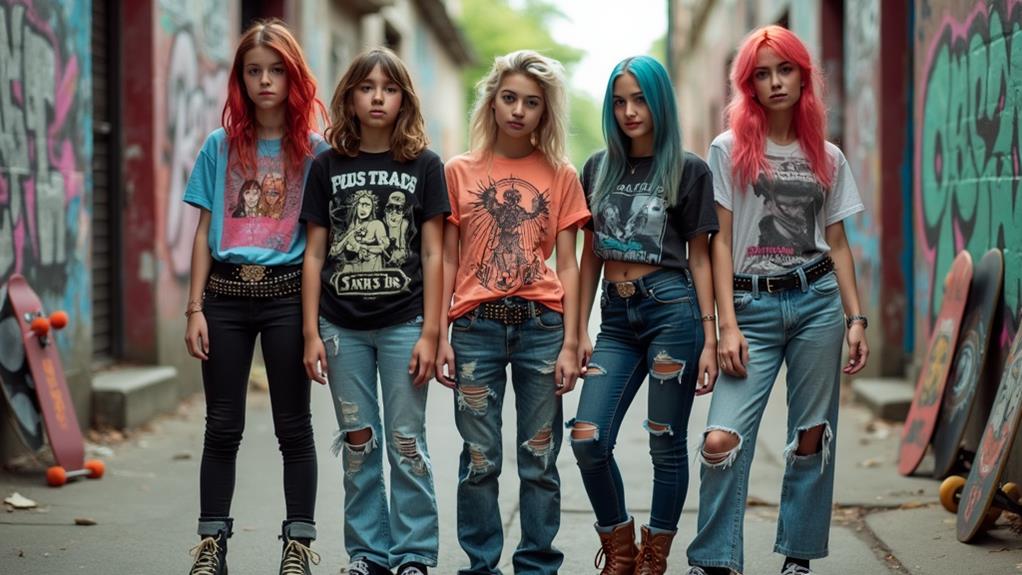
Pop Punk fashion in the 2000s burst onto the scene with its vibrant colors, graphic tees, and baggy jeans, perfectly capturing the high-energy essence of the genre. Fans often wore band shirts featuring logos and artwork from iconic groups like Blink-182 and Fall Out Boy. These tees weren't just clothes; they were statements of identity, proudly displaying musical allegiance.
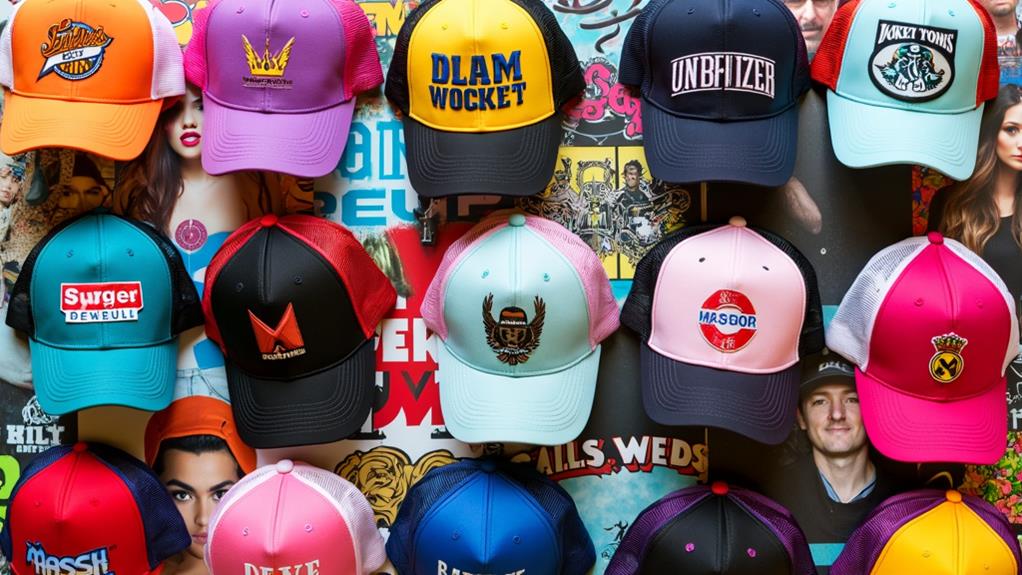
Baggy jeans were another staple, reflecting the laid-back yet rebellious spirit of Pop Punk. Paired with Converse sneakers, these outfits were both comfortable and stylish, ready for a night at a concert or a day at the skate park. The influence of skate culture was undeniable—cargo shorts, snapback hats, and skateboarding shoes were frequently part of the ensemble.
Body modifications like piercings and tattoos also became popular, often featuring designs inspired by favorite bands. This aesthetic wasn't just about fashion; it was about self-expression and individuality. DIY touches like customizing clothing with patches and slogans were common, adding a personal flair to the look. Pop Punk fashion was all about making a statement and standing out from the crowd.
Skinny Jeans Trend
In the early 2000s, skinny jeans became a defining element of Pop Punk fashion. Characterized by their tight fit through the legs, these jeans, typically made from denim, gained popularity among all genders. They embodied a rebellious and edgy aesthetic that aligned perfectly with the Pop Punk ethos, especially when paired with band tees to create a distinctive and expressive look.
Brands such as Levi's, Topshop, and American Apparel were instrumental in popularizing skinny jeans. They provided a variety of styles and washes, allowing fans to find the perfect pair to suit their individual tastes.
- Signature tight fit: The defining characteristic of skinny jeans.
- Versatile combinations: Often paired with band tees for a complete Pop Punk ensemble.
- Unisex appeal: Embraced by both men and women.
- Customization: Fans frequently personalized their jeans with patches or rips.
- Band influence: Groups like Green Day and Fall Out Boy often wore skinny jeans, reinforcing their status in Pop Punk fashion.
As the trend matured, skinny jeans became a staple in youth wardrobes, symbolizing personal style and the broader Pop Punk culture.
Band Tees Popularity
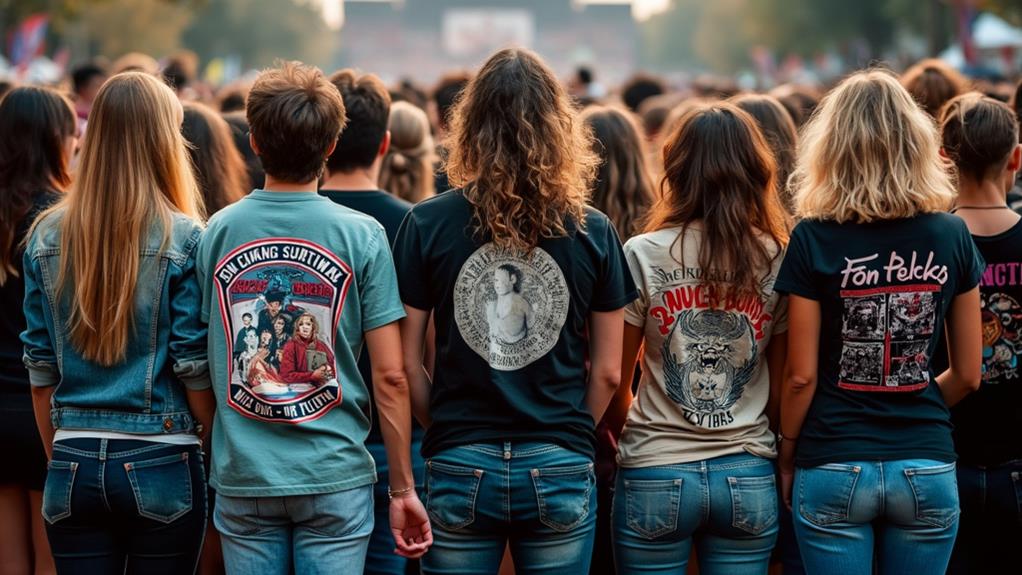
Band tees, a hallmark of 2000s pop punk fashion, encapsulated the era's rebellious spirit. Adorned with logos and album art from iconic bands like Blink-182 and Fall Out Boy, these graphic tees made bold statements and were often paired with skinny jeans for a casual yet defiant look.
Beyond aesthetics, band tees served as a powerful form of self-expression, signaling one's musical tastes and personal identity. They fostered a sense of community among fans of the same bands and the broader pop punk scene, literally wearing their allegiance on their sleeves.
The DIY culture also fueled the popularity of band tees. Fans would customize their shirts with patches, slogans, and personal designs, adding authenticity and individuality to each piece.
With the resurgence of 2000s fashion, band tees have made a notable comeback, especially on social media. Vintage and retro styles are now trending, captivating the interest of a new generation.
DIY Customization
DIY customization was central to 2000s pop punk fashion, allowing fans to transform their wardrobes into personalized statements. This era emphasized individuality through customized clothing, with fans often personalizing band tees and skinny jeans using patches, fabric paint, and safety pins. It was a creative space where unique styles thrived.
Thrift shopping became popular, as fans hunted for vintage or second-hand clothing to craft distinctive outfits. This approach not only catered to fashion but also promoted sustainability by repurposing existing items instead of buying new ones. The DIY ethos fostered a strong sense of community, with enthusiasts sharing tips and tutorials on social media and forums.
Common customization practices included:
- Hand-painted lyrics or band logos: Displaying favorite songs and artists directly on clothing.
- Patches: Adding logos, symbols, or images to reflect personal tastes.
- Fabric paint: Creating unique designs or messages.
- Safety pins: Contributing an edgy, punk aesthetic.
- Thrifted finds: Mixing and matching vintage pieces for a one-of-a-kind look.
Hairstyles and Colors
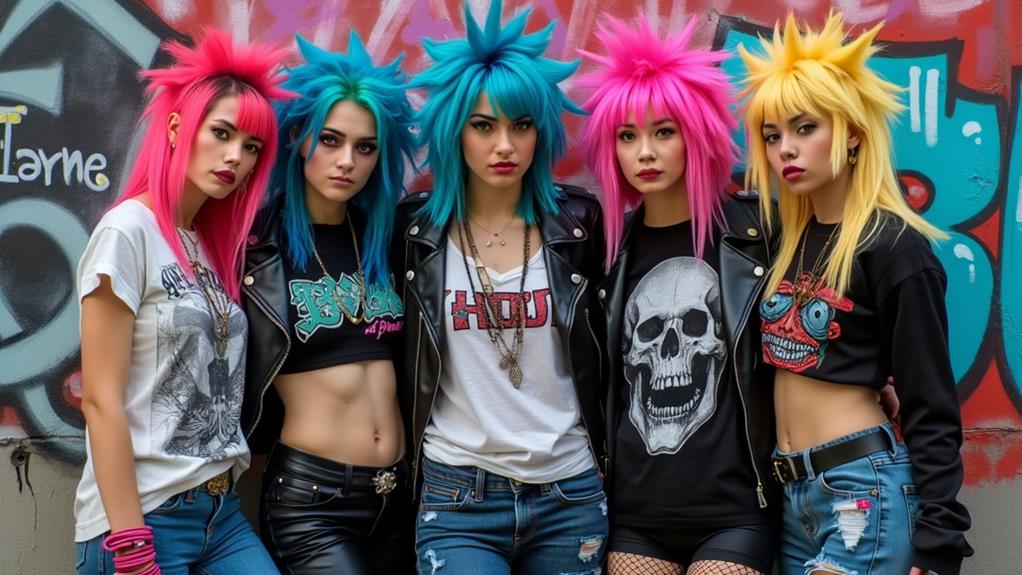
Pop Punk hairstyles in the 2000s were characterized by bold, choppy, layered cuts and dramatic asymmetry. Hair was often dyed in vivid colors like neon pink, electric blue, and bright green, embodying the rebellious spirit of the genre. These eye-catching styles symbolized youth rebellion and non-conformity.
Iconic Choppy Cuts
When you think of 2000s Pop Punk fashion, iconic choppy cuts instantly come to mind, embodying the genre's rebellious and non-conformist spirit. These hairstyles often featured asymmetrical layers and a "messy" look, with side-swept bangs and spiky textures becoming staples among fans. Many embraced dyed hair, opting for bold colors like black, red, and purple, further underscoring their individuality.
Incorporate these features into your own style:
- Asymmetrical Layers: Add edge with uneven layers.
- Side-Swept Bangs: Achieve that classic Pop Punk look.
- Spiky Textures: Use styling products for a tousled, spiky finish.
- DIY Techniques: Personalize your cut with colored highlights or unique trims.
- Band Influence: Draw inspiration from bands like My Chemical Romance and Fall Out Boy.
The influence of these bands can't be overstated, as fans often emulated their favorite musicians' distinctive looks. This trend in choppy cuts and vibrant colors wasn't just about fashion; it was a powerful form of self-expression. By adopting these styles, you align yourself with the themes of authenticity and non-conformity at the heart of Pop Punk music.
Bold Hair Dye Choices
Bold Hair Dye Choices
Among the most striking elements of 2000s Pop Punk fashion were the bold hair dye choices embraced by fans and musicians alike. Walking into a concert venue, you couldn't miss the sea of lively hues—black, red, purple, hot pink, and electric blue. These vibrant colors weren't just about following trends; they were declarations of individuality and rebellion against mainstream beauty standards.
Hair dyeing in the Pop Punk scene was all about self-expression. You would often see your favorite singers sporting dramatic highlights or side-swept bangs, inspiring you to try something equally eye-catching. Mixing neon shades to create a unique look was common, reflecting the subculture's ethos of personal creativity and expression.
Many fans chose to dye their hair at home, using techniques learned from friends or online forums. This DIY approach not only saved money but also allowed for endless customization. Embracing bold hair colors showcased your commitment to the Pop Punk lifestyle, making your hairstyle a powerful statement of who you were and what you stood for.
Asymmetrical Hair Trends
In the 2000s Pop Punk scene, asymmetrical hairstyles became a defining trend that captured the genre's rebellious spirit. Characterized by uneven lengths and dramatic angles, these hairstyles allowed for bold expressions of individuality. Icons like Billie Joe Armstrong and Avril Lavigne popularized these looks, making them a visual staple of the era.
Fans often embraced DIY techniques to create unique styles, showcasing their creativity and non-conformity. Whether adding choppy layers or experimenting with vibrant dye jobs, the goal was always to stand out and make a statement.
- Bold Colors: Shades like black, red, purple, and blue added extra layers of personality.
- DIY Techniques: Many fans cut and colored their hair at home, ensuring each style was unique.
- Influential Icons: Figures like Billie Joe Armstrong and Avril Lavigne inspired countless fans.
- Non-Conformity: These hairstyles were a rebellion against mainstream norms, not just a fashion choice.
- Lasting Impact: Asymmetrical haircuts continue to influence modern fashion trends, proving their enduring appeal.
Skate Culture Influence
Skate culture left an indelible mark on 2000s Pop Punk fashion, introducing a laid-back, rebellious vibe into the mainstream. Baggy jeans, a hallmark of skate culture, became a staple in Pop Punk fashion, offering both comfort and flexibility for skating and rocking out at concerts. Paired with graphic tees, these jeans captured the essence of the era.
Skate culture influenced more than just clothing; it extended to footwear such as Converse sneakers and Vans. Known for their durability and style, these shoes became synonymous with Pop Punk. The blend of skate and Pop Punk styles also introduced lively colors, plaid patterns, and accessories like beanies and snapbacks.
The DIY ethos of skateboarding resonated deeply with Pop Punk fans, leading to personalized band tees and customized clothing items. Iconic bands like Blink-182 and Green Day often showcased skate culture in their music videos and public appearances, solidifying the connection between the two subcultures.
Key Elements:
| Element | Description |
|---|---|
| Baggy Jeans | Comfortable and flexible for skating and concerts |
| Graphic Tees | Often DIY-designed, reflecting personal style |
| Converse Sneakers | Durable, stylish footwear |
| Vans | Classic skate shoes adopted by Pop Punk fans |
| Accessories | Beanies, snapbacks, and plaid patterns |
Fashion Revival
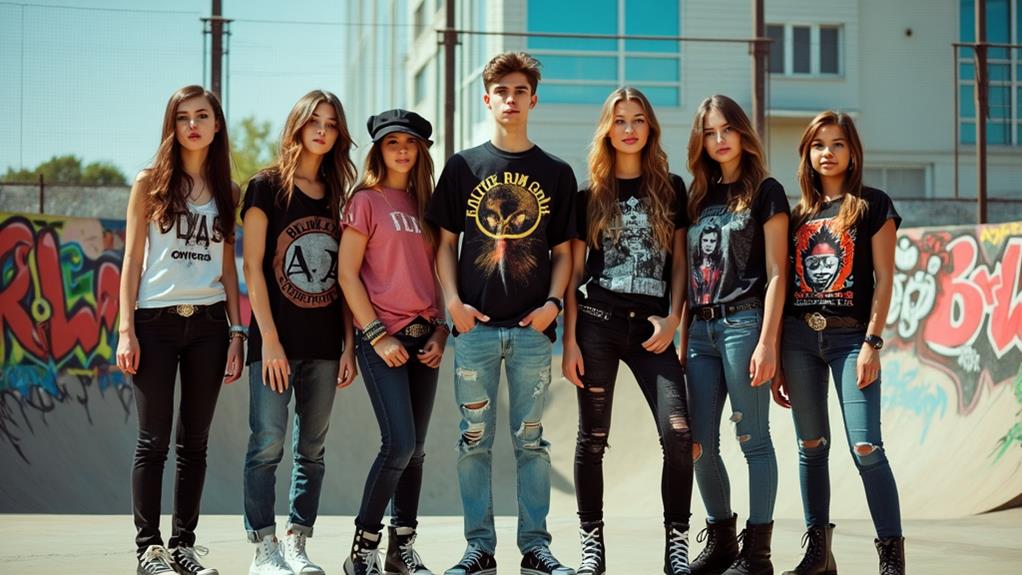
You can't scroll through social media without noticing the revival of 2000s pop punk fashion, driven by young people. Iconic items like graphic band tees and studded belts are making a comeback, often sourced from vintage shops. This movement celebrates the DIY spirit and aligns with the current emphasis on sustainability and individuality.
Nostalgic Trend Resurgence
Driven by a wave of nostalgia, the resurgence of 2000s Pop Punk fashion has captivated a new generation on social media. Young people are embracing the Pop Punk fashion trends that defined the era, with a modern twist that emphasizes individuality. Skinny jeans and band tees are back in the spotlight, now personalized to reflect unique identities through DIY customization.
Runway shows have also taken note, featuring collections inspired by early 2000s Pop Punk aesthetics. This highlights the enduring appeal of this fashion period:
- DIY customization: Fans are adding personal flair to band tees and jeans, making each piece unique.
- Vintage and thrifted items: The hunt for authentic 2000s pieces is more popular than ever.
- Online platforms: Etsy and similar sites are experiencing a surge in retro-inspired Pop Punk merchandise.
- Individual expression: The revival encourages creativity and personal style.
- Influential runway shows: Designers are incorporating Pop Punk elements into their collections.
This trend isn't just about looking back; it's about integrating the rebellious spirit of Pop Punk into today's fashion landscape.
Social Media Influence
Social media platforms have undeniably played a crucial role in reviving 2000s Pop Punk fashion. Instagram and TikTok have become the epicenters for this resurgence, with trends such as skinny jeans and band tees gaining significant traction. Hashtags like #Y2KFashion and #PopPunkRevival have amassed millions of views, showcasing a renewed interest in the vibrant colors and graphic tees that characterized the early 2000s.
Influencers and celebrities frequently share their interpretations of 2000s Pop Punk looks, further amplifying the trend and making it more accessible to a wider audience. This has created a ripple effect, driving younger generations to explore and adopt these nostalgic styles.
| Platform | Trend | Example |
|---|---|---|
| #Y2KFashion | Lively Outfits | |
| TikTok | #PopPunkRevival | Band Tees |
| Etsy | Vintage Apparel | Skinny Jeans |
| Runways | Fashion Collections | Iconic Styles |
| Influencers | Personal Styling | Pop Punk Looks |
Online marketplaces like Etsy report increased sales in vintage and nostalgic apparel, indicating strong consumer demand for Pop Punk fashion. Fashion brands have also noticed, with runway shows featuring designs that pay homage to the iconic styles of that time. Thanks to social media, the revival of 2000s Pop Punk fashion is both widespread and thriving.
Legacy and Impact
Against a backdrop of rebellion and individuality, the legacy of 2000s Pop Punk fashion endures as a crucial chapter in youth culture. Punk was more than just a music genre; it was a movement that embraced emotional lyrics and distinctive fashion statements. Skinny jeans and band tees became iconic symbols, heavily influenced by bands like Blink-182 and Green Day. Their graphic tees, emblazoned with band logos and slogans, set the tone for an entire generation.
The DIY ethos of Pop Punk culture encouraged individuals to customize their clothing, allowing them to express personal experiences and emotions through their fashion choices. This trend extended beyond clothing, normalizing tattoos and piercings as common expressions of identity.
- Skinny jeans and band tees: Remain iconic symbols of youth rebellion.
- DIY customization: Fans personalized clothing to reflect their unique identities.
- Body modifications: Tattoos and piercings became mainstream expressions of individuality.
- Influence of bands: Groups like Blink-182 and Green Day shaped both music and fashion.
- Resurgence on social media: 2000s Pop Punk aesthetics continue to inspire contemporary styles.
The enduring appeal of these fashion choices underscores their timeless influence on youth culture.