The 1990s Trend of Wearing Bandanas and Headscarves
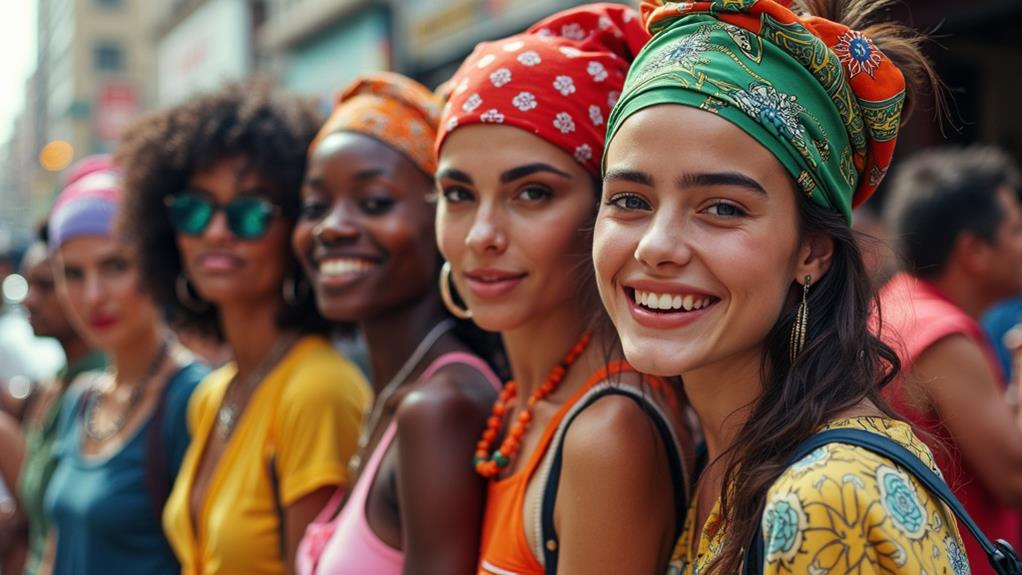
The 1990s were marked by bold fashion choices, with bandanas and headscarves standing out as iconic staples. These accessories were more than just fabric; they were statements of individuality and rebellion, championed by influential figures like Aaliyah, Tupac, and TLC. Whether worn as headbands, neckties, or wristbands, their versatility and cultural significance made them symbols of the era. But what led to their resurgence in contemporary fashion, and why do they continue to captivate us today? Let's explore the enduring appeal and cultural impact of these timeless accessories.
90s Fashion Characteristics
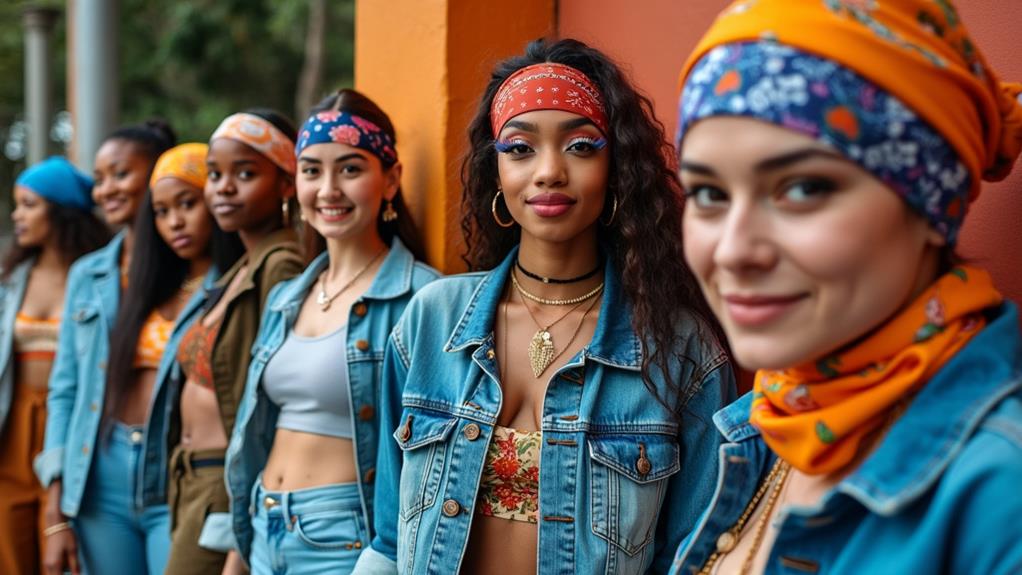
In the vibrant tapestry of 1990s fashion, bandanas and headscarves emerged as quintessential accessories that captured the era's spirit of individuality and creativity. These versatile pieces were styled in myriad ways—be it as headbands, neckties, or wristbands. Their flexibility made bandanas a staple in 90s fashion, allowing for personal expression through unique folding techniques and colorful patterns.
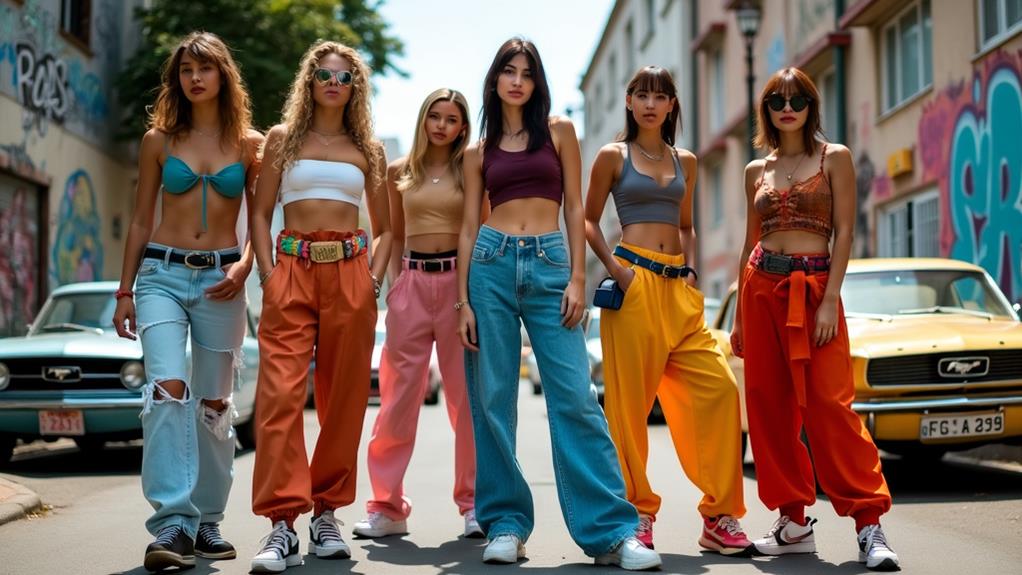
Pairing bandanas with sporty attire was particularly popular. These accessories seamlessly complemented baggy jeans, oversized shirts, and sneakers, creating an effortlessly chic look that defined the decade. The playful and bold aesthetic of the 90s blended comfort with style, and bandanas epitomized this ethos.
Embracing bandanas also meant embracing a level of self-expression essential to 90s fashion. Each fold, twist, and knot could reflect personal taste and mood, whether aiming for a casual, edgy, or sporty vibe. Fundamentally, bandanas were more than just accessories—they were a reflection of the era's lively and diverse fashion landscape.
Iconic Figures and Bandanas
When you think of 90s bandana fashion, Aaliyah's edgy style, Tupac's rebellious look, and TLC's bold accessorizing come to mind. Each of these icons used bandanas to make a statement, influencing both music culture and fashion trends. Their unique approaches turned a simple accessory into a powerful symbol of the decade.
Aaliyah's Signature Style
Aaliyah's signature style in the 90s wasn't just a fleeting fashion trend; it became a cultural touchstone that still resonates in contemporary fashion. Her influence on 90s fashion was unmistakable, particularly through her iconic use of bandanas. Aaliyah popularized wearing bandanas tied around the head, epitomizing the quintessential 90s hip-hop aesthetic. Her signature look often featured a simple folding technique, making the bandana an accessible and stylish accessory for any casual outfit.
Aaliyah's bandana style reflected her cultural identity and deep connection to the music scene of the era. She seamlessly combined bandanas with sporty and relaxed clothing, contributing to the layered aesthetic that defined 90s fashion. This approach solidified her status as a fashion icon and continues to inspire modern fashion enthusiasts.
- Iconic Style: Aaliyah's bandana look remains celebrated today.
- Accessible Fashion: Her simple folding technique made it easy for anyone to adopt.
- Cultural Reflection: The bandana was a nod to her roots and the music scene.
- Modern Influence: Today's fashion still draws inspiration from her 90s style.
Aaliyah's legacy in fashion lives on, serving as a nostalgic reminder of the unique trends of the 90s.
Tupac's Iconic Look
Tupac Shakur's iconic look in the 1990s redefined bandana usage, cementing their place in hip-hop fashion. His signature bandana, often tied around his head in black or red, became a potent symbol of rebellion and solidarity with marginalized communities. This accessory transcended mere style, representing a stand against social injustices.
Tupac's influence reached beyond music, making the bandana a key element in 90s rap and pop culture. By incorporating it into his daily attire, he set a trend followed by fans and fellow artists alike, paying tribute to his legacy and impact.
The bandana's association with Tupac Shakur endures, continuing to inspire fashion enthusiasts and music lovers. His iconic imagery, featuring the bandana, serves as a powerful reminder of his influence and the cultural significance of his fashion choices. Embracing Tupac's look honors a pivotal moment in fashion and music history.
TLC's Bold Accessorizing
In the 1990s, TLC transformed bandanas into bold fashion statements that perfectly complemented their vibrant and playful style. The girl group famously incorporated bandanas into their wardrobe, using a variety of patterns and colors. This showcased the versatility of this accessory, making it a staple for both casual and edgy looks.
TLC often paired bandanas with sporty attire, reflecting their deep connection to hip-hop culture and the 90s aesthetic. Their choices weren't just about aesthetics; they embodied the era's trend of embracing individualistic and expressive styles. When you think of TLC, you remember their lively outfits, often accented with these simple yet impactful accessories.
Here's how TLC's bandana game changed the 90s fashion landscape:
- Variety of Patterns and Colors: They showed that bandanas could be more than just a single-color accessory, using striking patterns that stood out.
- Sporty Pairings: Bandanas often complemented their sporty, hip-hop-inspired outfits, adding an extra layer of cool.
- Statement Pieces: These weren't just accessories; they were integral parts of their bold, memorable looks.
- Modern Inspiration: TLC's iconic use of bandanas continues to inspire today's artists and fashion enthusiasts.
Their groundbreaking sense of style proves that bandanas are timeless.
Revival in Modern Fashion
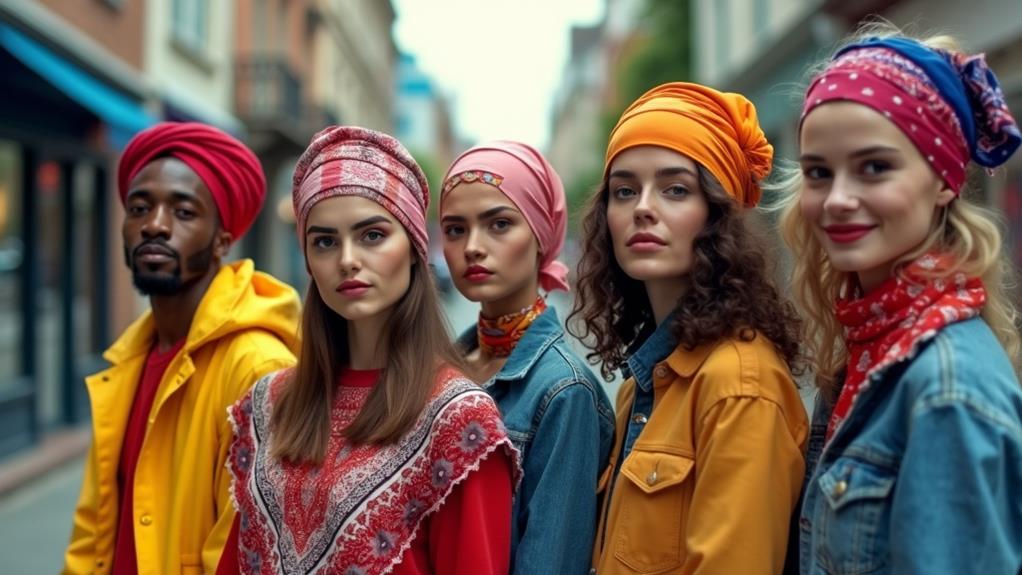
Revitalized by a blend of nostalgia and contemporary practicality, bandanas and headscarves have made a significant comeback in modern fashion. This resurgence was notably evident during the autumn/winter 2020 runways, where bandanas initially appeared as ironic statements but soon became practical accessories during the pandemic. Celebrities like Dua Lipa and Kendall Jenner have been seen incorporating bandanas into both chic and casual ensembles, effectively bridging the gap between high fashion and everyday wear.
The casualization of fashion, accelerated by lockdown experiences, has positioned bandanas as functional yet stylish accessories. Whether you're heading to the grocery store or joining a Zoom call, bandanas offer a versatile and fashionable solution. Fashion influencers and social media accounts dedicated to 90s aesthetics have played a pivotal role in this revival, showcasing how bandanas can serve as statement pieces in contemporary wardrobes.
Their versatility is evident in various styling options, from headbands and neckties to handbag accessories. This adaptability ensures that bandanas remain relevant, seamlessly blending nostalgia with modern trends. Embrace the revival and let bandanas add a touch of flair to your everyday look.
Bandanas in Pop Culture
In the 1990s, bandanas became iconic in pop culture, thanks to influential figures like Tupac Shakur and TLC, who turned them into symbols of rebellion and street identity. Styled in various ways, from headbands to neck accessories, they captured the versatile essence of 90s fashion. Stars like Aaliyah and Jennifer Lopez further cemented this trend by making bandanas a key part of their signature looks.
Iconic Celebrity Influences
When you think of 90s fashion, bandanas immediately come to mind, largely thanks to iconic celebrities who set the trends. Aaliyah popularized the bandana tied around her head, making it a staple accessory in 90s hip-hop fashion. She embodied the era's edgy style, seamlessly integrating bandanas into her look. Jennifer Lopez frequently styled bandanas as chic headbands, showcasing their versatility in creating both casual and polished appearances. Another unforgettable moment was when Mariah Carey utilized a red print bandana as a bandeau top, highlighting the accessory's adaptability and fun element in 90s fashion.
These celebrities didn't just wear bandanas; they redefined how you could style them:
- Aaliyah's bandana styles became synonymous with 90s hip-hop fashion.
- Jennifer Lopez's chic headbands demonstrated the bandana's versatility.
- Mariah Carey's bandeau top showed the accessory's adaptability.
- TLC's bold bandana choices complemented their sporty, lively outfits.
Each of these iconic figures used bandanas to make a unique fashion statement, leaving an indelible mark on 90s pop culture. Whether you were aiming for edgy, chic, or playful, these celebrities provided endless inspiration for incorporating bandanas into your wardrobe.
Symbolism and Identity
Throughout the 1990s, bandanas evolved beyond mere fashion accessories to become powerful symbols of identity and cultural expression. Iconic figures such as Tupac Shakur utilized the bandana to signify rebellion and street identity within hip-hop culture. Similarly, artists like Aaliyah and TLC embraced this versatile accessory, each displaying their unique personal style and individuality.
The bandana transcended fashion, becoming a reflection of various social movements. It was embraced by numerous subcultures, including the LGBTQ+ community and motorcyclists, each incorporating it into their distinct identities. As a unisex item, the bandana bridged gender norms, facilitating self-expression across diverse demographics.
Versatile Fashion Statements
In the 1990s, bandanas transcended symbolism and identity to become versatile fashion statements. Iconic figures like Tupac Shakur and Aaliyah used bandanas to showcase their individuality and style within hip-hop culture. These accessories became essential, embodying boldness and creativity.
Bandanas' versatility allowed them to be styled in numerous ways, seamlessly fitting into both casual and edgy looks. They could be worn as:
- Headbands or neck scarves
- Tops for a daring, unique outfit
- Bag accessories to add a pop of color
- Wristbands or belts for an edgy touch
Often featuring bold colors and patterns, bandanas perfectly aligned with the 90s trend of striking, mix-and-match styles. Pop groups like TLC frequently incorporated these eclectic designs into their wardrobes. The accessory's cultural significance was also highlighted by its association with rebellion and nonconformity, especially within subcultures like punk, rap, and the LGBTQ+ community.
Today, bandanas are making a resurgence in contemporary fashion, offering a nostalgic nod to 90s aesthetics. Incorporating vintage elements into modern wardrobes can create a striking statement, echoing the timeless versatility and boldness of 90s bandanas.
Styling Tips From the 90S
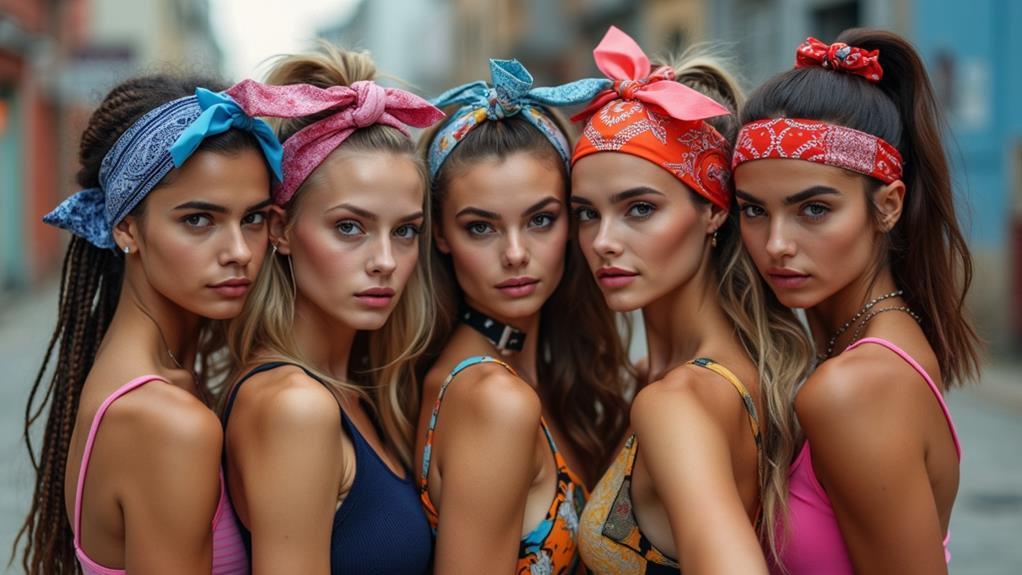
Looking to infuse your wardrobe with some 90s flair? Bandanas are the perfect accessory to showcase your individuality and embrace the playful spirit of 90s fashion. Start simple by folding a bandana and wearing it as a headband, a look popularized by hip-hop icons like Aaliyah and Tupac. This effortless style adds a casual yet trendy touch to any outfit.
For a chic twist, try tying a bandana around your neck. This small change can transform your look and add a sophisticated edge. Want to make a bolder statement? Use a bandana as a unique top, paired with high-waisted jeans or a skirt, reflecting the experimental fashion vibe of the period.
Don't be afraid to play with bold colors and patterns. The 90s were all about having fun with fashion, as seen with groups like TLC. Sporty attire and bandanas go hand-in-hand, creating a lively and energetic look.
Influence of Celebrity Culture
You can't ignore the impact celebrities had on popularizing bandanas and headscarves in the 90s. Icons like Aaliyah and Tupac turned them into symbols of hip-hop culture and rebellion, while Mary-Kate Olsen and TLC used bold patterns to make fashion statements. Today, stars like Dua Lipa bring a nostalgic yet modern twist to these accessories, proving their timeless appeal.
Iconic Celebrity Influences
In the 1990s, celebrity culture played a crucial role in shaping fashion trends, particularly with accessories like bandanas and headscarves. Icons such as Aaliyah, TLC, J.Lo, and Beyoncé not only embraced these accessories but also transformed them into significant style statements.
Aaliyah popularized the bandana tied around the head, making it a staple of 90s hip-hop style. Her effortless integration of bandanas into casual outfits showcased their versatility.
TLC took a different approach, using bold colors and patterns to make bandanas a statement piece. Their fun, lively styles represented the playful side of 90s fashion.
Meanwhile, J.Lo elegantly styled bandanas as headbands, demonstrating their adaptability for both daytime and evening wear. She showed that a simple accessory could soften bold outfits and add a touch of sophistication.
Beyoncé creatively tied bandanas into triangle tops, which became a summer fashion trend, adding to the diverse ways bandanas could be worn.
Key ways these celebrities influenced bandana and headscarf fashion in the 90s include:
- Aaliyah: Popularized the bandana tied around the head.
- TLC: Used bold colors and patterns to make it a statement piece.
- J.Lo: Elegantly styled bandanas as headbands for versatile looks.
- Beyoncé: Creatively tied bandanas into triangle tops for summer fashion.
These icons made bandanas and headscarves must-have accessories for the decade.
Nostalgic Style Statements
The 1990s were a decade where celebrities shaped fashion, turning everyday accessories into iconic style statements that still resonate today. Icons like Aaliyah and Tupac made the bandana a symbol of 90s hip-hop culture, often wearing them tied around their heads and creating a look that instantly evokes memories of that era.
TLC's bold patterns and playful style integrated bandanas as statement pieces, elevating their outfits and leaving a lasting mark on 90s fashion. The film "Clueless" showcased the bandana as a headband, adding to its youthful and trendy aesthetic that defined 90s pop culture.
J.Lo and Mariah Carey demonstrated the bandana's versatility. J.Lo frequently wore it as a chic headband, while Mariah Carey turned it into a bandeau top, highlighting 90s fashion's adaptability and innovation. Even Brad Pitt's influence encouraged both men and women to experiment with bandanas, securing their place as a nostalgic accessory in contemporary style.
Practicality and Functionality
In the 1990s, bandanas became emblematic for their dual role, merging practicality with style. Initially designed for functional purposes, they were vital during labor-intensive activities. In that decade, bandanas also permeated hip-hop culture, serving not only as fashion statements but also for practical uses like keeping hair in place and absorbing sweat during performances.
Their practicality extended beyond cultural significance. Bandanas are lightweight and versatile, making them useful in various scenarios. Whether hiking, attending a concert, or on a casual outing, a bandana can be incredibly handy. They can be used as:
- Hair accessories: Keep hair back and out of your face.
- Neckerchiefs: Add a stylish touch while keeping your neck warm.
- Sweatbands: Absorb sweat during workouts or outdoor activities.
- Emergency face coverings: Useful during pandemics or in dusty environments.
The resurgence of bandanas in contemporary fashion highlights their adaptability. Celebrities and influencers have demonstrated how easily bandanas can complement various looks with minimal effort. Their functionality and practicality make them timeless accessories worth keeping around.
Cultural Significance
In the 1990s, bandanas and headscarves transcended their practical origins to become powerful symbols of identity and cultural expression. Within hip-hop and youth subcultures, the bandana emerged as a potent emblem of rebellion and individuality. Iconic figures like Tupac Shakur wore bandanas to signify resistance and gang culture, embedding them deeply in American street fashion.
Artists such as Aaliyah and TLC played pivotal roles in popularizing the bandana. These accessories allowed them to make bold fashion statements and showcase their versatility. Whether tied around the head or worn as a headscarf, the bandana became a key element of their signature styles, influencing diverse cultural landscapes.
In the LGBTQ+ community of the 90s, the bandana was adopted as a marker of individuality and nonconformity. It symbolized pride and self-expression, reflecting broader themes of resistance and community identity. As a unisex accessory, the bandana transcended mere fashion trends, embodying the spirit of cultural movements that valued self-expression and unity.
Enduring Appeal
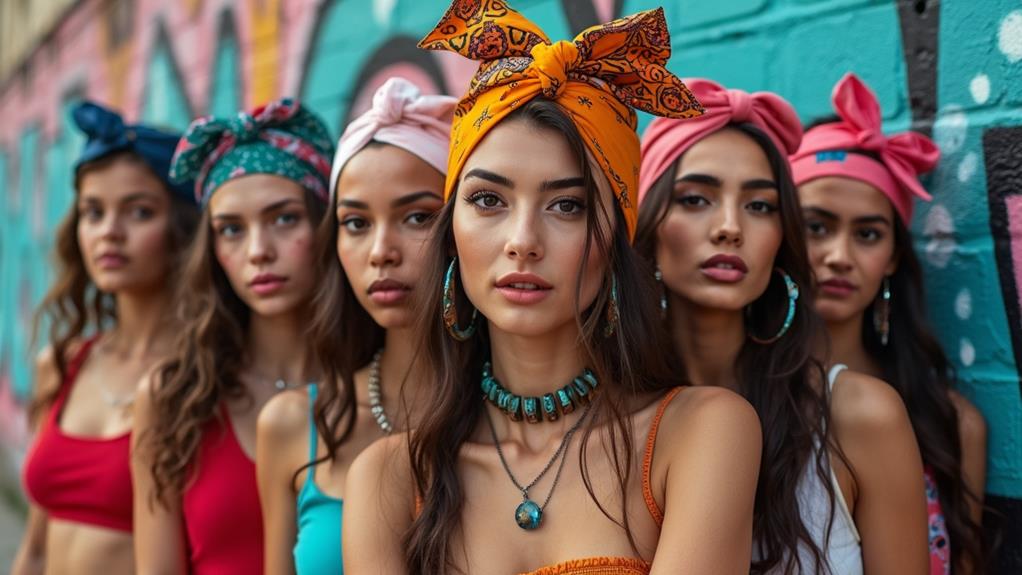
You can't deny the enduring charm of bandanas. These versatile accessories have evolved from simple functional items to powerful symbols of individuality and self-expression. In the 1990s, they gained mainstream popularity, thanks to the influence of hip-hop culture and icons like Tupac Shakur, who wore them as expressions of rebellion and identity.
Today, bandanas continue to captivate fashion enthusiasts. Their resurgence is evident in how celebrities and influencers style them in various ways. Whether worn as a headband, a chic top, or a wrist accessory, the bandana's versatility ensures it fits seamlessly into any wardrobe.
Current fashion trends emphasize the practicality and style of bandanas, especially as people prioritize comfort and functionality. The pandemic has shifted our fashion focus, and bandanas perfectly align with this new mindset.
Here's why bandanas remain a staple:
- Versatility: From headbands to wrist wraps, their uses are endless.
- Symbol of Individuality: A simple bandana can make a bold personal statement.
- Mainstream Fashion: They're seen on runways and in everyday wear.
- Nostalgic Charm: They effortlessly blend the past with contemporary style.
Their enduring appeal reflects their ability to adapt while maintaining a nostalgic allure.
Embracing Nostalgia
Reviving the vibrant styles of the 1990s, embracing nostalgia has become a defining trend in contemporary fashion. The bandana, once a symbol of rebellion and individuality, has notably resurfaced. Whether on runways or in street fashion, this accessory's resurgence underscores its lasting appeal.
In the 90s, bandanas transcended mere practicality, becoming emblematic of hip-hop culture and icons like Aaliyah and Tupac Shakur. Today's fashion enthusiasts channel that same energy, utilizing bandanas to express their identities and connect with past cultural movements. This nostalgic revival goes beyond replicating old styles; it celebrates and reinterprets them in a modern context.
Social media platforms, particularly nostalgia accounts like @90s.era, have significantly influenced this trend. They help millennials reconnect with and celebrate the fashion of their youth. By embracing these once-dismissed styles, you are participating in fashion's cyclical nature. So, the next time you tie on a bandana, remember you're not just accessorizing—you're reviving a piece of fashion history.
Related posts