Texas Style Remix: Western Roots with Modern Flair
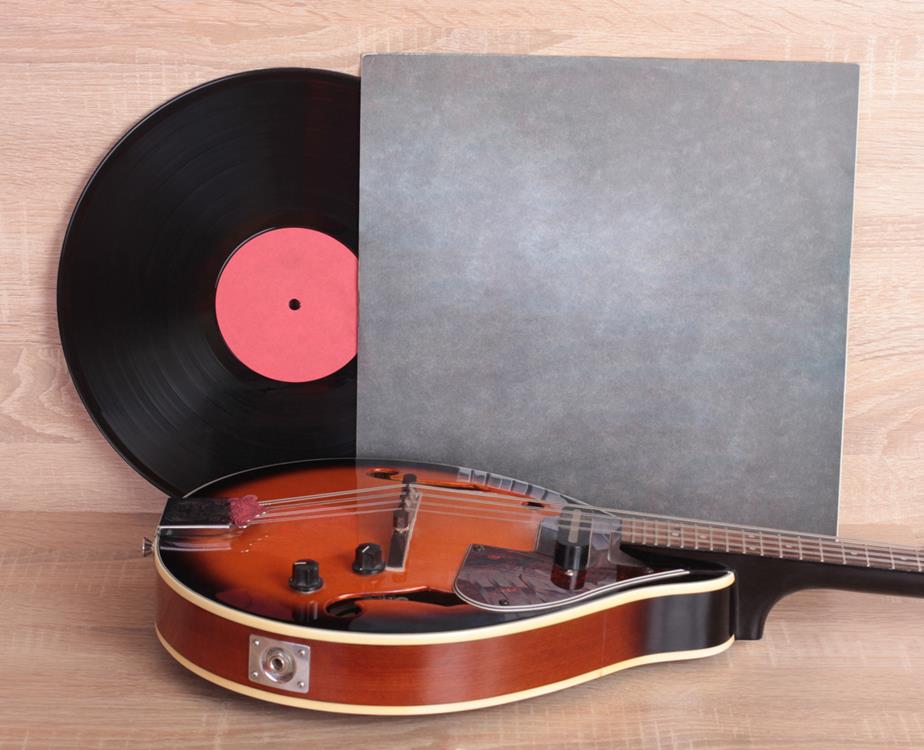
Texas Style remixing fuses Western cultural elements with DJ Screw's slowed-and-chopped techniques that crystallized in early-1990s Houston. You'll hear deliberately slowed tempos, strategic beat chopping, and layered effects that create an immersive listening experience.
This distinctive approach can nod to rodeo aesthetics, frontier narratives, and country instrumentation while evolving from analog gear to sophisticated digital production. The fusion of cowboy culture with urban hip-hop continues to influence global scenes—from EDM experiments to modern R&B and future bass.
The Birth of Texas Remix: DJ Screw's Revolutionary Sound
https://www.youtube.com/watch?v=yfXA2dkfH24
While many music revolutions begin in coastal hubs, the chopped-and-screwed sound that redefined Southern hip-hop grew from Houston, shaped by Robert Earl Davis Jr. (DJ Screw, born 1971 in Smithville) and his late-'80s/early-'90s experiments slowing vinyl on turntables. The result was a hypnotic, molasses-slow feel that became his unmistakable signature.
You'll hear this defining Texas accent in deliberate down-shifts that turn familiar tracks into dreamy soundscapes. Screw's DIY process—manual pitch control, hands-on "chopping," and live blends—spawned the legendary Screwtapes, which spread across the city before saturating the South.
His technique of repeating phrases and beats ("chopping") added a new rhythmic dimension that influenced artists far beyond Texas. At his peak, demand for those tapes was immense, with steady sales that built a loyal following well outside the region.
Slowed and Chopped: Anatomy of the Texas Style Technique
The genius of DJ Screw extended from cultural impact to a precise, technical craft that anchors Texas remix culture. In a chopped-and-screwed track, you're typically hearing a deliberate deceleration into the ~60–70 BPM range, generating a syrupy, psychedelic atmosphere that reframes the original's emotion.
These adaptations employ focused sampling and performance moves that include:
- Tempo manipulation that deepens mood and space
- Strategic beat chopping for stuttering, fragmented rhythms
- Layered performance effects like cuts, rewinds, and stop-time drops
- Pitch control (and, today, digital time-stretch) for exacting blends
The approach invites closer listening to lyrics and inner parts, revealing details masked at normal speed—a testament to the artistry behind this distinctly Texan sound that creators worldwide continue to adapt.
From South Houston to Global Influence: The Spread of Texas Remix
Taking hold in South Houston clubs and car-culture circles in the early 1990s, chopped-and-screwed quickly defined Houston's identity. It spread through the city's rap community, with Screwed Up Click collaborators amplifying the style across Texas.
The sound's commercial viability expanded as local shops and distributors (including Southwest Wholesale) pushed Houston releases beyond state lines. Artists began issuing both standard and chopped versions of albums, broadening reach and cementing the aesthetic in Southern hip-hop, then into national and international catalogs.
Cowboy Beats Meet Urban Streets: Western Elements in Texas Hip-Hop
In the heart of Texas rap, cowboy imagery collided with urban reality, producing a cultural hybridity unlike coastal scenes. You'll hear this blend where slide guitars or harmonicas sit beside drum machines, merging Western timbres with streetwise production.
The regional cowboy archetype surfaces in four ways:
- Visual aesthetics (boots, hats, rodeo motifs)
- Lyrical parallels between frontier resilience and city survival
- Production touches from country/blues instrumentation
- Rhythmic figures that echo trail rides or line-dance pulses
The result reframes the "lone rider" as the urban hustler charting new frontiers. Acts like UGK helped bridge these worlds, with polished talk and keen lyricism that felt Texas to the core.
The Evolution from Analog to Digital Remixing
Three pivotal shifts moved Texas production from tape decks to modern workstations.
First, the migration from tape machines to DAWs eliminated hiss and generation loss while enabling non-destructive editing and deep track counts. (MIDI standardization arrived in 1983, later turbocharging integration between instruments and computers.)
Second, robust MIDI/sequencing workflows expanded palette and precision, letting producers weave country textures into contemporary beats.
Finally, today's hybrid studios pair analog warmth (outboard compressors, tape coloration) with digital flexibility, preserving the soul of classic Texas recordings while embracing speed, recall, and innovation.
Future Screw: How EDM Fusion Transformed the Classic Sound
Though Screw's technique emerged from Houston's underground in the early '90s, its time-warped aesthetics now color EDM and adjacent genres. You'll hear Houston's influence in future-bass and experimental sets where slowed vocals, heavy subs, and textural washes echo the June 27th Freestyle ethos.
This fusion honors Texas roots by:
- Using bass-drop dynamics to intensify the syrupy crawl
- Preserving vocal character via careful time-stretch and formant control
- Framing screw textures in festival-ready structures
- Expanding analog ideas with modern digital tools
The bridge connects Southern hip-hop heritage with contemporary electronic audiences—without losing the essence of Screw's vision.
Cultural Identity Through Sound: What Makes Texas Remix Authentic
Authenticity in Texas remix culture arises from the region itself—Houston streets, car stereos, late-night sessions—and the technical fingerprints of slowing and chopping. You'll recognize the real thing by its tempo drag, chopped vocal refrains, and the storytelling that maps to neighborhoods like the Fifth Ward and Southside blocks.
This sound thrives in grassroots DJ communities and home studios where experimentation is constant. When you hear Texas slang over extended breakdowns that fold in blues, jazz, and R&B colors, you're hearing identity in motion—heritage honored, boundaries pushed.
Beyond Music: Texas Remix Influence on Fashion, Art, and Lifestyle
Texas remix culture pulses through streetwear, pop-up art shows, and venue design. You'll see satin and denim beside cowboy boots, Western iconography reworked in murals, and nightlife that blends rustic textures with sleek modern lines.
The aesthetic shows up in:
- Local boutiques curating one-off pieces for a diverse audience
- Art festivals where music, fashion, and visual design collide
- Venues mixing cedar, steel, and LED for a Texas-modern vibe
- Social feeds championing body-positive fits with Southern flair
The through-line is a confident remix of heritage + now, the same formula that powers the music.
New Wave Producers Redefining the Texas Sound for Today's Listeners
View this post on Instagram
Innovation surges as a new class of Texans reframes tradition. OG Ron C and The Chopstars extend screw's lineage with refined, purple-tinted chops; DJ Michael "5000" Watts keeps the Swishahouse DNA alive; BeatKing repurposes Houston bounce with club-level heft.
Across genres, JaRon Marshall (of Black Pumas) threads future-soul keys through hip-hop rhythms, while Sly5thAve brings orchestral depth to jazz-and-rap crossovers. Eric Dingus's atmospheric chops have traveled from Austin blogs to global playlists. Even classic instruments get renewed shine as pedal steel and Tele twang slip into left-field beat scenes—proof the Texas palette is expanding without losing its roots.
Conclusion
You've seen how Texas style remix evolved from DJ Screw's pioneering slow-motion alchemy to a global cultural force. It's not just music—it's an identity that stitches Western heritage to urban innovation. As you explore further, you'll find a form that keeps reinventing itself while staying loyal to its source. The Texas remix journey isn't ending; it's rolling forward in the hands of creators who understand its soul.
Related posts